Programming and Coding: What You Need to Know to Get Started
When you hear programming, the process of giving instructions to a computer to perform specific tasks. Also known as coding, it's not about being a math genius or having a computer science degree—it's about solving problems step by step. Whether you're trying to build a simple app, automate a boring task, or switch careers, programming is a skill you can learn, no matter your background.
Most people start with coding languages, specific sets of rules and syntax used to write software. Also known as programming languages, they’re the tools you use to talk to computers. Python, for example, is popular because it reads like plain English and is used everywhere—from websites to AI tools. Java is another common choice, especially in big companies. You don’t need to pick the "best" one right away. What matters is picking one that matches your goal and sticking with it.
Learning to code isn’t just about memorizing commands. It’s about thinking logically, breaking big problems into small pieces, and not giving up when things don’t work. A lot of beginners get stuck because they think they need to spend 8 hours a day coding. That’s not true. Even 30 minutes a day, done consistently, builds real skill. You also don’t need the most expensive laptop. A basic computer with a decent processor and enough memory will do just fine. What you do need is access to free resources, a clear plan, and the willingness to make mistakes—because you will.
And yes, you can learn this on your own. Thousands of people have gone from zero to hired without ever stepping into a classroom. You don’t need a certificate to prove you can code. You need a portfolio—something you built, even if it’s small. A to-do list app, a simple website, a script that organizes your files—those count. Employers care more about what you can do than where you learned it.
There are real downsides, too. Coding can be frustrating. You might spend hours on a single error. You’ll feel overwhelmed. You’ll compare yourself to others who seem to pick it up faster. But those feelings are normal. They’re part of the process. What separates people who stick with it from those who quit isn’t talent—it’s persistence.
Age doesn’t matter. Math skills aren’t a barrier. You don’t need to be a genius. What you need is curiosity and the patience to keep trying. The posts below cover exactly that: how to start without getting lost, which languages are easiest, how much time to practice, whether you can get hired without a degree, and how to avoid the most common mistakes. Whether you’re 16 or 50, whether you’ve never opened a terminal, or you’ve written one line of code and gave up—this collection is for you.
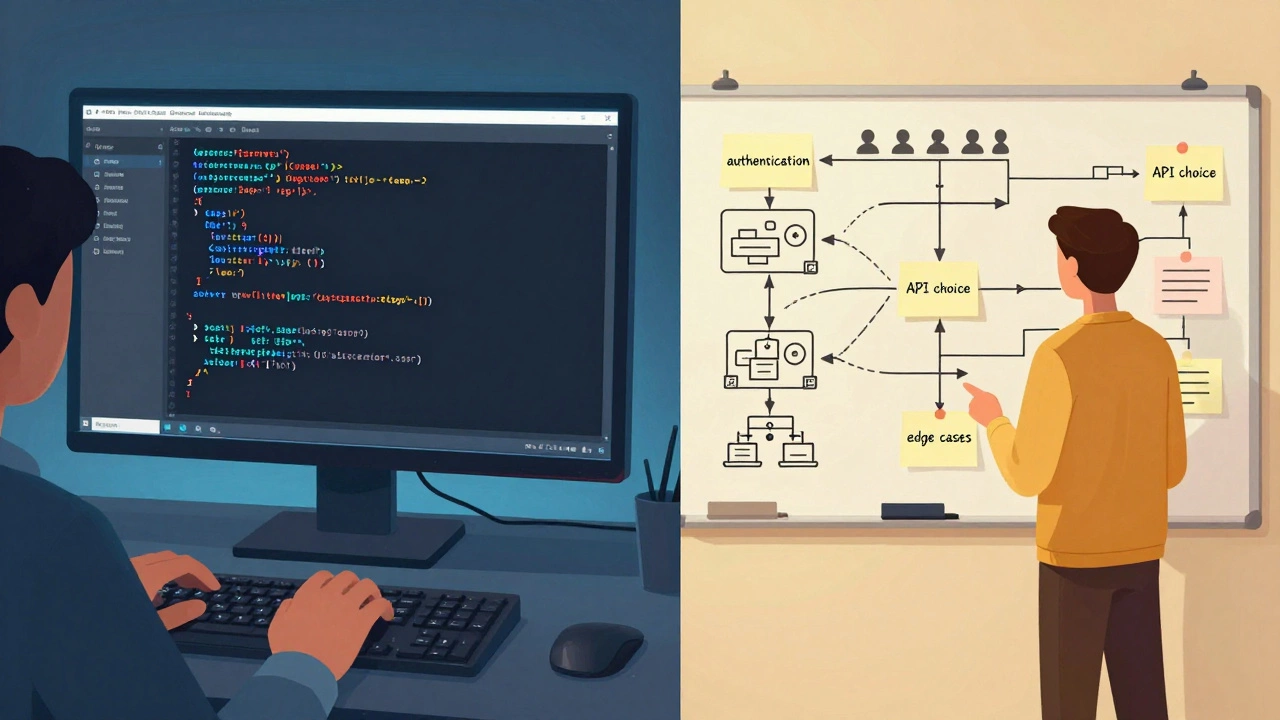
What Is the Difference Between Coding and Programming?
Mar, 6 2026
Coding is writing instructions in a programming language. Programming is the entire process of designing, building, and maintaining software. Learn why the difference matters for your learning path.
What Is the Golden Rule of Coding? The One Principle Every Programmer Must Follow
Dec, 26 2025
The golden rule of coding isn't about speed or complexity-it's about writing code so other humans can understand it. Learn why readability matters more than clever tricks and how to build this habit today.
Do Coders Get Paid Well? Real Salaries and What Actually Matters
Dec, 12 2025
Do coders make good money? The answer isn't simple. Real salaries depend on skills, impact, and industry-not just coding knowledge. Here's what actually determines pay in tech today.
What Is the Most Useful Code to Learn in 2025?
Dec, 2 2025
In 2025, the most useful code to learn is Python for automation and data, JavaScript for web interaction, and SQL for pulling insights from databases. These three give you real power in any job.
Best Programming Languages for Beginners: Easy Coding Languages Compared
Oct, 25 2025
Discover the top beginner-friendly programming languages, key factors for choosing one, and how coding classes can boost your learning.
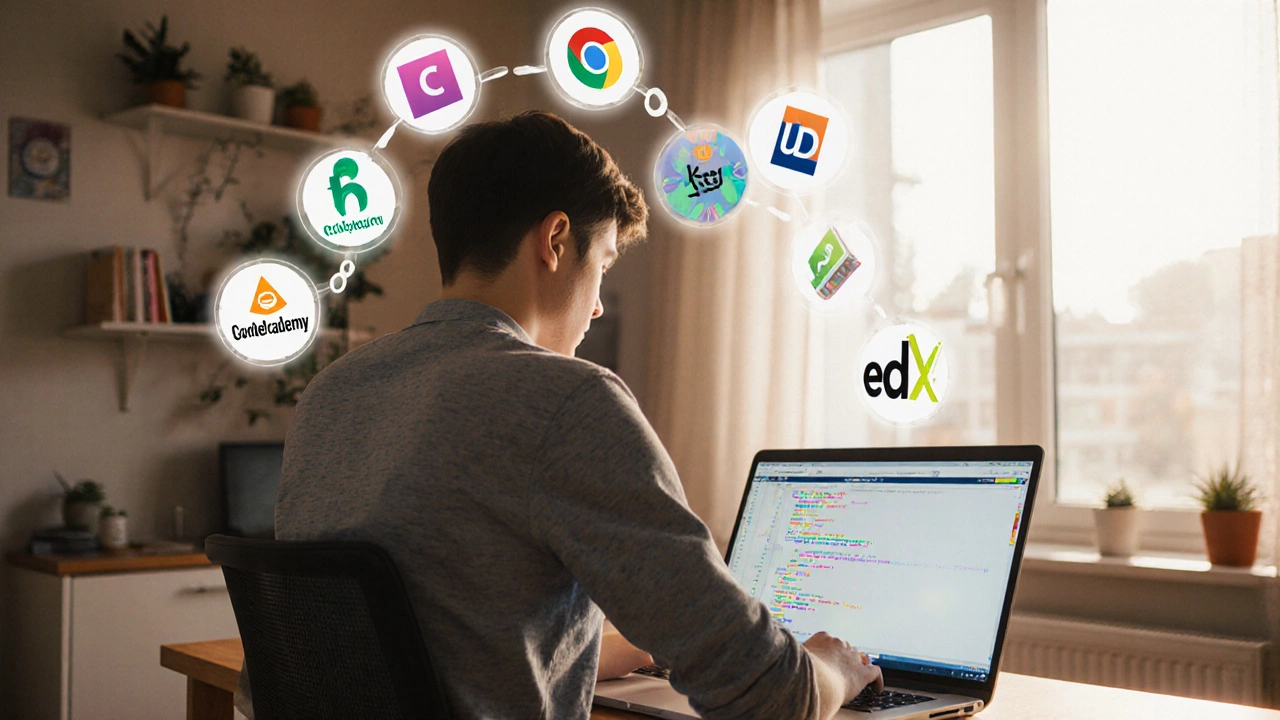
Best Coding Platforms for Beginners - 2025 Guide
Oct, 16 2025
Discover the best coding platforms for beginners in 2025, compare features, pricing, and community support, and get a step‑by‑step plan to start coding confidently.
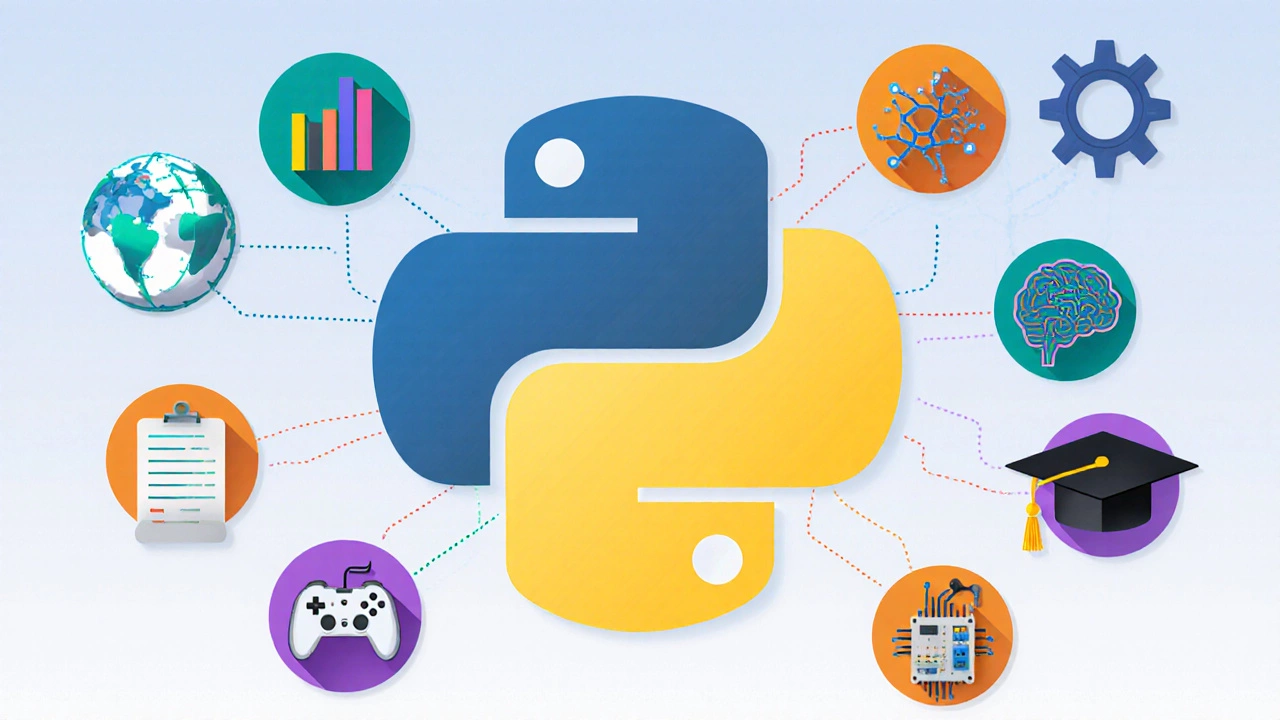
What is Python Used For? Real‑World Applications Explained
Oct, 3 2025
Explore Python's real‑world uses across web development, data science, AI, automation, games, IoT, and education. Learn key libraries, benefits, and how to start building projects.
Is Coding a Tough Job? Honest Insights and Practical Advice for Aspiring Programmers
Aug, 7 2025
Coding can look overwhelming, but is it really that tough? This article explores the realities, myths, and tips about programming careers in an honest, easy-to-understand way.
Do You Need Math Skills to Start Coding? The Real Truth About Programming and Math
Aug, 3 2025
Wondering if you have to be good at math to learn programming? This article breaks down the real relationship between coding and math, with honest tips and facts.
How Many Hours Should You Practice Coding Each Day? A Realistic Guide
Jul, 24 2025
Wondering how many hours you should practice coding daily? Get honest advice, surprising stats, and real-life tips to make progress without burning out.
Do Self-Taught Coders Get Hired? Insights for Programming Careers in 2025
Jul, 21 2025
Is it possible for self-taught coders to get hired in 2025? This article explores the reality, challenges, and insider tips for self-learners entering tech.
How Much Does It Really Cost to Develop an eLearning Platform in 2025?
Jul, 7 2025
Thinking of building an eLearning platform? Find out what actually drives the costs in 2025, from tech stack to must-have features. Get real numbers and tips here.