Coding vs Programming Quiz
How Well Do You Understand the Difference?
This quiz will help you identify whether you're practicing coding or programming. Select the best answer for each question based on the article content.
1. What does writing a button click handler (like changing color on click) primarily represent?
2. Choosing which API to use for a weather app involves:
3. A person who writes a calculator that adds numbers but doesn't handle user input errors is primarily:
4. What is required for someone to be a programmer but not necessarily a coder?
5. When you add error handling to a calculator, you're moving from coding to:
Quiz Results
People often use the words coding and programming like they mean the same thing. But they don’t. If you’re just starting out in tech, mixing them up can make learning harder. You might think, "If I learn to code, I’m ready to build apps." But that’s not quite right. Let’s break it down with real examples you can see in your own life.
Coding is just one piece of the puzzle
Coding is the act of writing instructions in a language a computer understands. It’s like typing out a recipe step by step. You pick a language-Python, JavaScript, Java-and you write lines that tell the computer what to do. For example, if you want a button on a website to change color when clicked, you write code like:
button.addEventListener('click', () => {
  button.style.backgroundColor = 'blue';
});
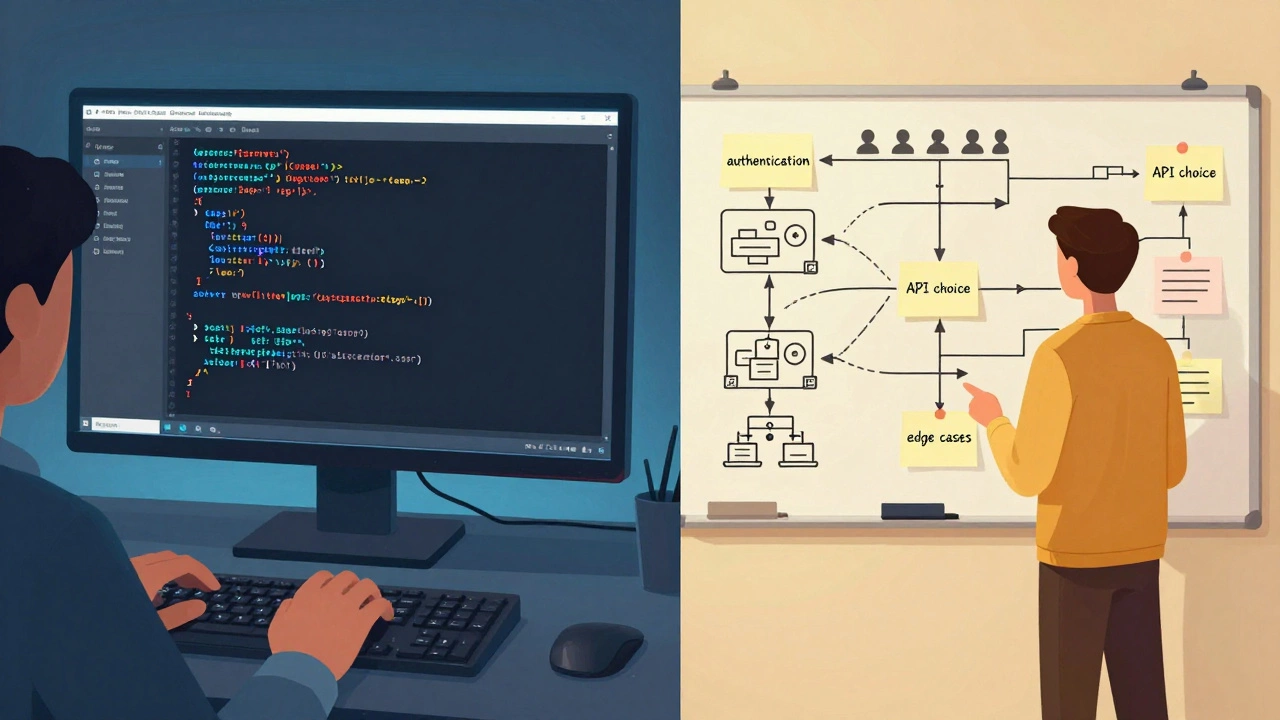
This is coding. It’s precise. It’s technical. It’s about syntax, punctuation, and structure. Get one semicolon wrong? The whole thing breaks. But here’s the thing: writing this line doesn’t tell you why the button should change color, who’s using it, or if it even makes sense in the bigger picture.
Programming is the whole process
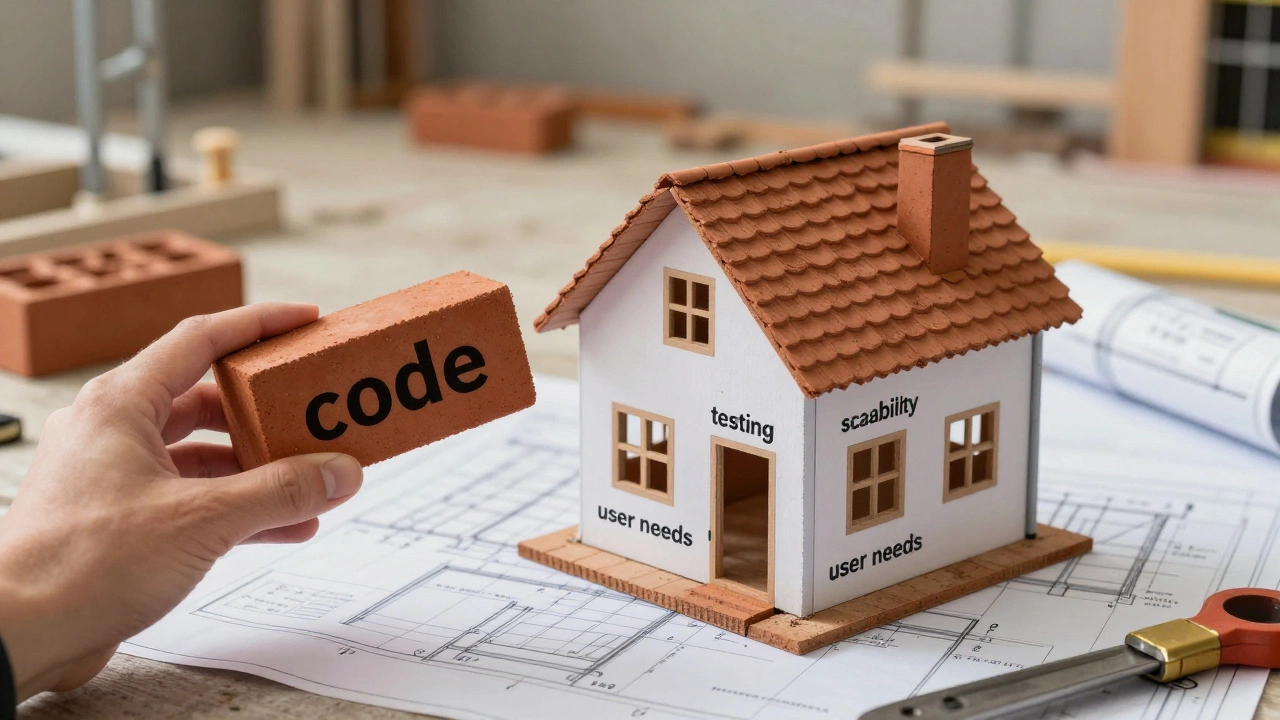
Programming is what happens before, during, and after coding. It’s the thinking, planning, and problem-solving behind the scenes. Think of it like building a house. Coding is laying the bricks. Programming is designing the floor plan, choosing the materials, making sure the plumbing works, and checking if the doors open the right way.
A programmer doesn’t just write code. They:
- Figure out what the user actually needs
- Break a big problem into smaller parts
- Choose the right tools and architecture
- Test every part to make sure it works together
- Fix bugs that show up after launch
- Optimize performance for speed and memory
For example, if you’re building a weather app, a programmer doesn’t just code the temperature display. They ask: Should we pull data from a free API or pay for a better one? How do we handle slow internet? What if the user’s location is wrong? How do we cache data so it loads fast? All of that is programming. The actual code is just the final step.
Coding is a skill. Programming is a mindset.
You can learn to code in a weekend. There are apps that teach you to write your first Python script in 20 minutes. But becoming a programmer? That takes months-or years-of practice. It’s not about memorizing syntax. It’s about learning how to think like a computer, but also like a human.
Imagine two people:
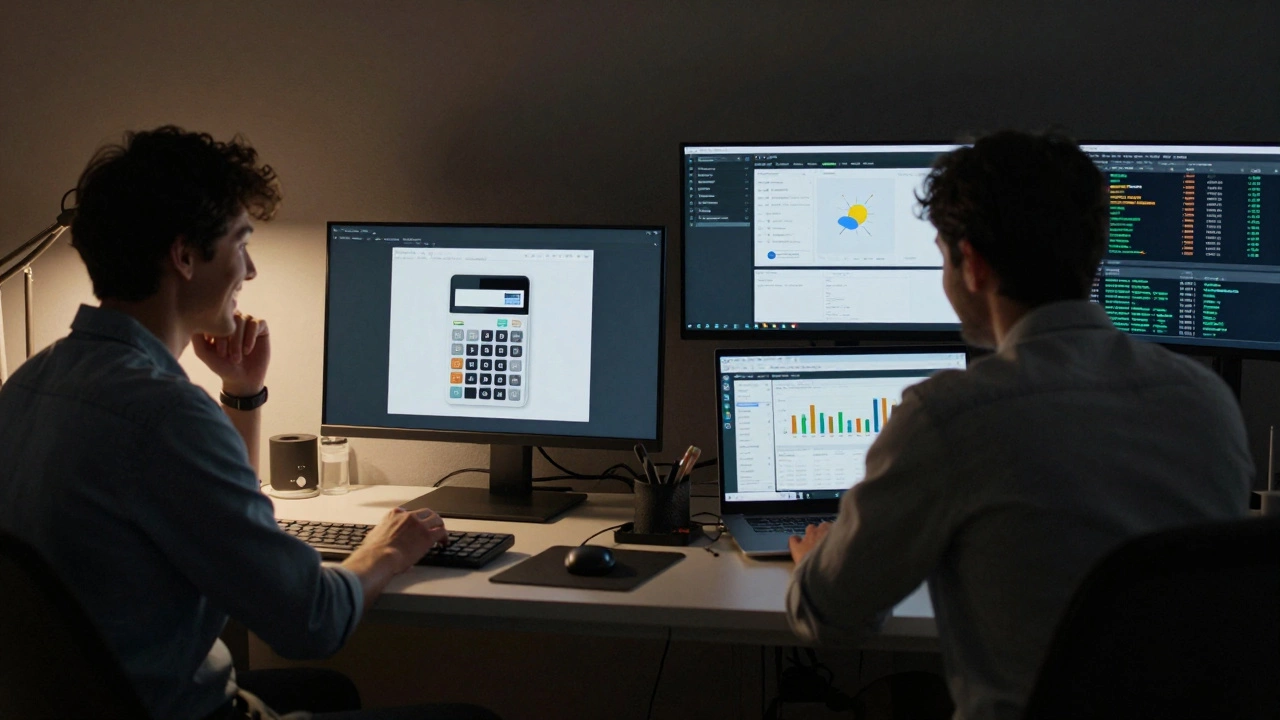
- Person A learns JavaScript and builds a calculator that adds two numbers. They got the code right. The app works.
- Person B builds the same calculator, but they also added error handling so it doesn’t crash if you type "abc" instead of a number. They made it mobile-friendly, added a history log, and let users save their calculations. They even wrote tests to make sure future updates won’t break it.
Person A can code. Person B is programming.
Who does what? Real-world roles
In small startups, one person might do both. But in bigger teams, roles split clearly.
Coders (or junior developers) often focus on:
- Implementing features given by a senior team
- Fixing small bugs
- Writing tests for assigned modules
Programmers (or software engineers) handle:
- Designing system architecture
- Deciding which databases to use
- Managing team workflows
- Reviewing code for scalability and security
- Collaborating with product managers to understand user needs
You don’t need to be a programmer to start coding. But if you want to build real software-not just scripts-you’ll need to grow into programming.
What happens when you confuse the two?
Many beginners think, "I learned Python, so I can build an app." Then they try to make a social media app and get stuck because they don’t know how to handle user authentication, server requests, or database connections. They didn’t fail at coding. They failed at programming.
Another common mistake: thinking that if your code runs, it’s good enough. But real software needs to be maintainable, readable, and reliable. That’s not about writing clean lines-it’s about structuring a whole system. A programmer writes code that other people can understand six months later. A coder writes code that works today.
How to move from coding to programming
Here’s how to level up:
- Start with small projects-but add one extra challenge each time. Don’t just build a to-do list. Add user login, data storage, and a way to export your list as a PDF.
- Read other people’s code. GitHub is full of open-source projects. See how they organized files, named functions, and handled errors.
- Learn to debug. Don’t just Google the error. Try to understand why it happened. Use console logs, step-through debuggers, and write test cases.
- Ask "why?" constantly. Why did they use this framework? Why not that one? What trade-offs did they make?
- Work with others. Pair programming, code reviews, and team projects force you to think beyond your own lines of code.
There’s no magic switch. You don’t wake up one day and suddenly "become a programmer." It happens slowly-through repeated practice, reflection, and failure.
Final thought: Coding is the tool. Programming is the craft.
Think of coding like playing piano notes. Programming is composing a symphony. You need both. But if you only ever play single notes, you’ll never make music.
If you’re learning to code, celebrate every line you write. But don’t stop there. Ask: What’s the bigger problem I’m solving? Who will use this? How will it hold up over time? That’s where programming begins.
Is coding easier than programming?
Yes, in the short term. Learning to write code in one language takes days or weeks. But programming-understanding systems, solving real problems, and building reliable software-takes months or years. Coding is a skill. Programming is a way of thinking.
Can you be a programmer without knowing how to code?
No. You can’t build software without writing code. But you can be a product manager, UX designer, or systems analyst without writing code. Those roles work closely with programmers but don’t do the coding themselves. True programming requires coding as its foundation.
Do I need a degree to become a programmer?
No. Many successful programmers are self-taught. What matters is your ability to solve problems, learn new tools, and build real projects. Employers care more about your portfolio and how you think than your diploma. But a degree can help if you’re aiming for large companies or specialized fields like AI or cybersecurity.
Which should I learn first: coding or programming?
Start with coding. Learn the basics of a language like Python or JavaScript. But don’t stop there. As soon as you can write a simple program, start thinking about how to improve it. Add user input. Handle errors. Break it into functions. That’s when you’re already programming.
Are coding bootcamps teaching programming or just coding?
Most bootcamps teach coding first, then introduce programming concepts like debugging, version control, and project structure. The best ones push you to build full projects with testing and deployment. If a bootcamp only has you write code without explaining why you’re writing it, it’s teaching coding-not programming.