Best Programming Languages for Beginners: Easy Coding Languages Compared
Discover the top beginner-friendly programming languages, key factors for choosing one, and how coding classes can boost your learning.
When you’re starting out with programming for beginners, the process of learning how to write instructions computers understand to build apps, websites, or tools. Also known as coding, it’s not about memorizing syntax—it’s about solving problems step by step. Thousands of people begin every year, but most quit before they see real progress. Why? Because they’re told to "just start coding" without knowing what to focus on first.
The truth is, coding platforms, online tools designed to teach programming through interactive lessons and projects like freeCodeCamp, Codecademy, or Sololearn make it easier than ever to get hands-on. But not all platforms are built the same. Some push you into complex projects too fast. Others give you too much theory and no practice. The best ones let you build something real—like a calculator or a to-do list—within your first hour. That’s where confidence starts.
learn to code, the active process of gaining programming skills through consistent, practical practice doesn’t require a degree. It doesn’t even need a fancy laptop. What it needs is daily action. You don’t need to master every language. Start with one—Python is the most common choice for beginners because it reads like plain English. Then focus on building small things, breaking them apart, and fixing them. That’s how skills stick.
And if you’re wondering whether this leads anywhere, coding career, a professional path built on writing code for software, websites, or automation tools is one of the most accessible in 2025. You don’t need to be a math genius. You don’t need to work 80-hour weeks. Many entry-level roles pay well and value portfolios over diplomas. Companies care more about what you can build than where you went to school.
Some people think you need to be "naturally good" at this. That’s not true. The people who succeed are the ones who show up, make mistakes, and try again. The ones who give up are the ones who wait for perfect conditions. You don’t need a mentor. You don’t need a classroom. You just need to start.
Below, you’ll find real guides from students and teachers who’ve been where you are. They’ve picked the right tools, survived the frustration, and found their way forward. Whether you’re curious about online coding classes, structured digital courses that teach programming with video lessons, quizzes, and projects, or you’re wondering if coding is even worth your time, these posts cut through the hype and give you what actually works.
Discover the top beginner-friendly programming languages, key factors for choosing one, and how coding classes can boost your learning.
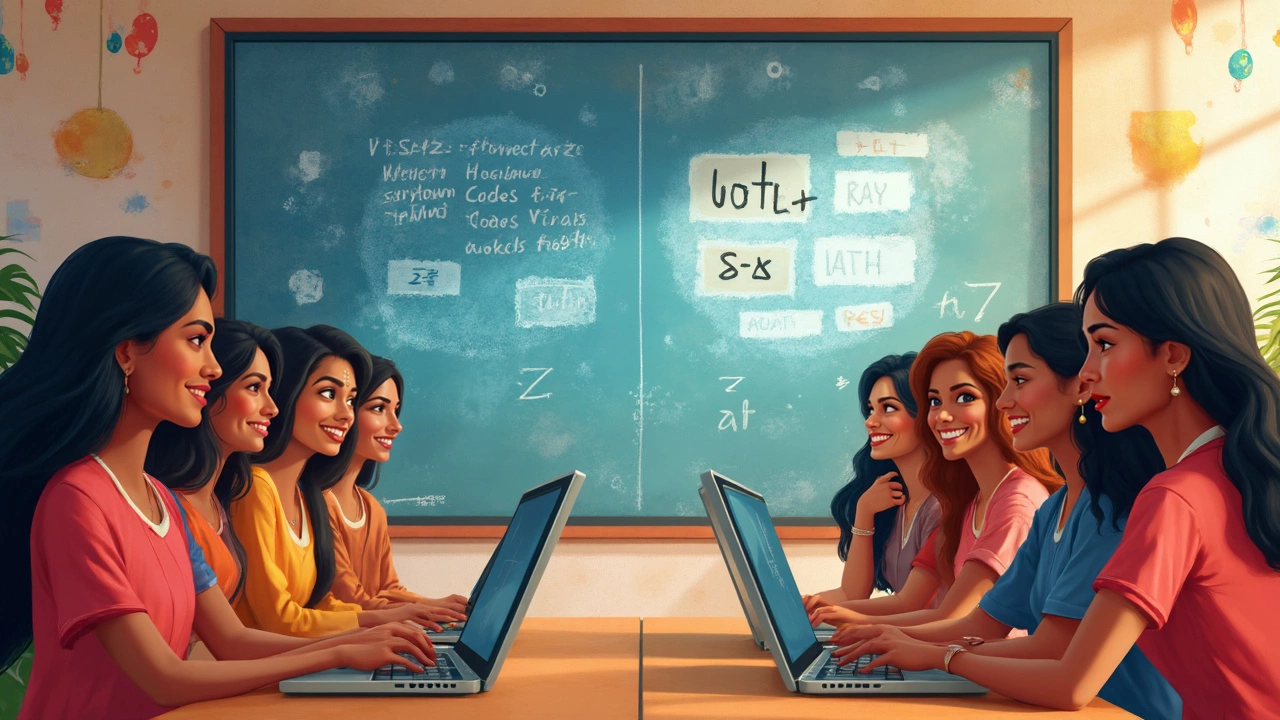
Think you need to be a math genius to start coding? This article breaks down what math skills are really needed for programming and how most beginners do just fine—no calculus degree required. You'll get real-life examples, honest facts about the connection between coding and math, and tips to overcome common worries. Whether you're a total math-phobe or just math-rusty, the info here can help you get started with confidence. Coding welcomes all kinds of thinkers.