Programming: Beginner Languages, Career Paths, and Best Platforms for 2025
When you hear programming, the process of writing instructions computers can follow to solve problems or automate tasks. Also known as coding, it’s no longer just for engineers—it’s a skill that opens doors in medicine, teaching, finance, and even government jobs. You don’t need a computer science degree to start. Many people begin with simple languages like Python or JavaScript, then build real projects—like apps, tools, or automation scripts—that help them stand out in competitive exams or job markets.
Programming connects to things you already care about. If you’re preparing for JEE, you might wonder if learning to code helps. It doesn’t directly boost your chemistry score, but it builds problem-solving muscle that makes tough physics and math problems feel easier. If you’re thinking about NEET coaching, know this: some top tutors now use simple programs to track student progress, create flashcards, or generate mock tests. Even for government jobs, knowing basic programming can give you an edge—especially in roles involving data entry, digital record keeping, or IT support. And if you’re looking at online learning platforms, you’ll find that the most valuable courses aren’t the ones with fancy logos—they’re the ones that teach you to build something real in under 30 days.
Some people think you need to be a math genius to code. That’s not true. What matters more is consistency. One hour a day, focused on writing code and fixing mistakes, beats five hours of watching videos. The best platforms for beginners—like freeCodeCamp, Codecademy, or even YouTube channels used by Indian students—don’t overwhelm you with theory. They give you a problem, let you try solving it, and show you how to fix it. You learn by doing. And that’s how people who started with zero experience end up landing jobs as junior developers, data analysts, or even teaching coding to others.
There’s also a big difference between learning programming as a hobby and building it into a career. If you’re asking if coding is a good career, the answer depends on your goals. Salaries for entry-level coders in India range from ₹3 to ₹8 lakhs a year, depending on location and company. But the real value isn’t just in the paycheck—it’s in flexibility. You can work remotely, freelance for clients across India, or even start your own small business after learning just one language. And if you’re worried about age or background? You’re not alone. Many successful coders started after 30, after switching from teaching, nursing, or even government jobs.
What you’ll find in the posts below isn’t theory. It’s real advice from people who’ve been there. You’ll see which programming languages are easiest to start with, what platforms actually deliver results in 2025, and whether a coding career is worth the effort. You’ll also find links between programming and other topics you care about—like NEET coaching, CBSE syllabus changes, and online learning tools. This isn’t a random collection. It’s a map showing how programming fits into the bigger picture of education and careers in India.
What Is the Difference Between Coding and Programming?
Mar, 6 2026
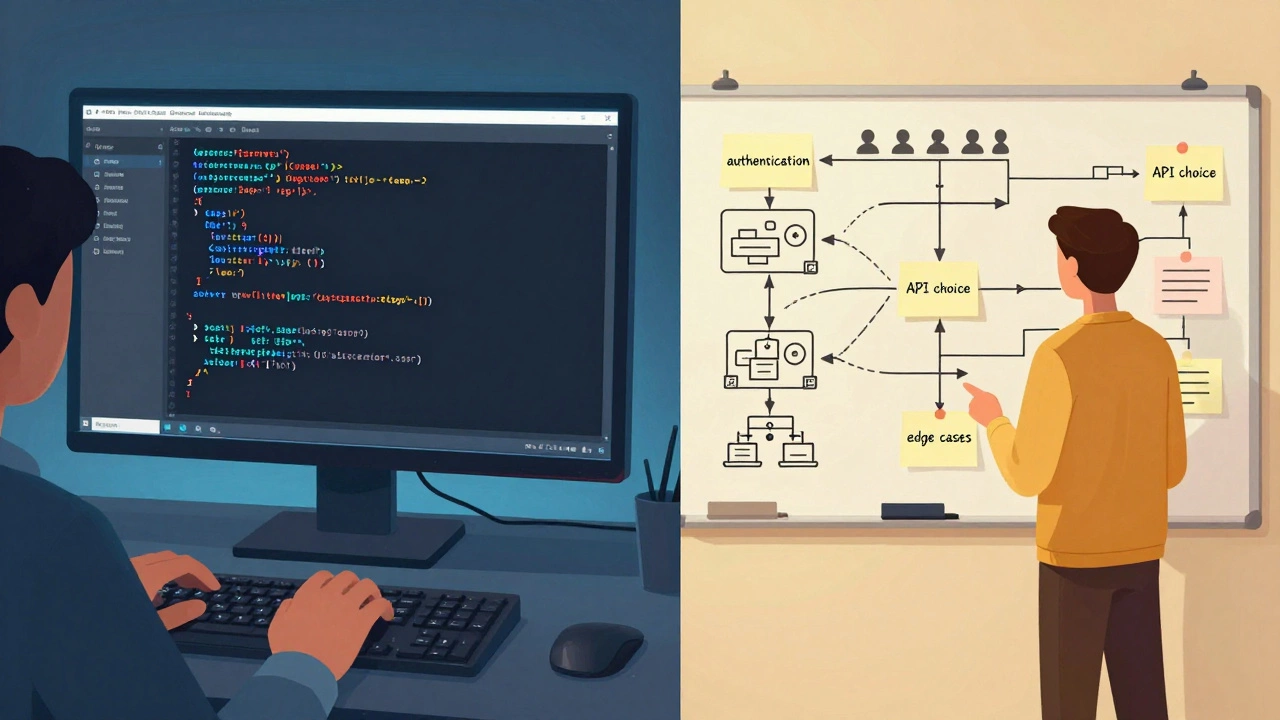
Coding is writing instructions in a programming language. Programming is the entire process of designing, building, and maintaining software. Learn why the difference matters for your learning path.
Do You Need Math Skills to Start Coding? The Real Truth About Programming and Math
Aug, 3 2025
Wondering if you have to be good at math to learn programming? This article breaks down the real relationship between coding and math, with honest tips and facts.
Coding for Beginners: How to Start Without Getting Lost
May, 17 2025
This guide breaks down how beginners can start coding without feeling overwhelmed. It looks at choosing your first language, where to find free and affordable resources, and how to keep practicing so you actually get good. By focusing on practical tips and real-life examples, it helps make sense of coding, even if you don't have a tech background. You'll also learn how to avoid common rookie mistakes and pick smarter learning strategies. The aim? If you can send a text, you can code something simple by the end.
Mastering Programming from Home: A Beginner's Guide
Jan, 1 2025
In today's digital age, the idea of learning programming from the comfort of your home is more feasible and appealing than ever. With numerous online resources and communities available, beginners can embark on their coding journey without attending traditional classrooms. This article explores the various avenues and tools accessible to learners at home, emphasizing the importance of setting clear goals and schedules. You'll also discover tips on choosing the right programming language and leveraging community support to overcome challenges.