IIT JEE Preparation: How to Crack the Toughest Engineering Exam in India
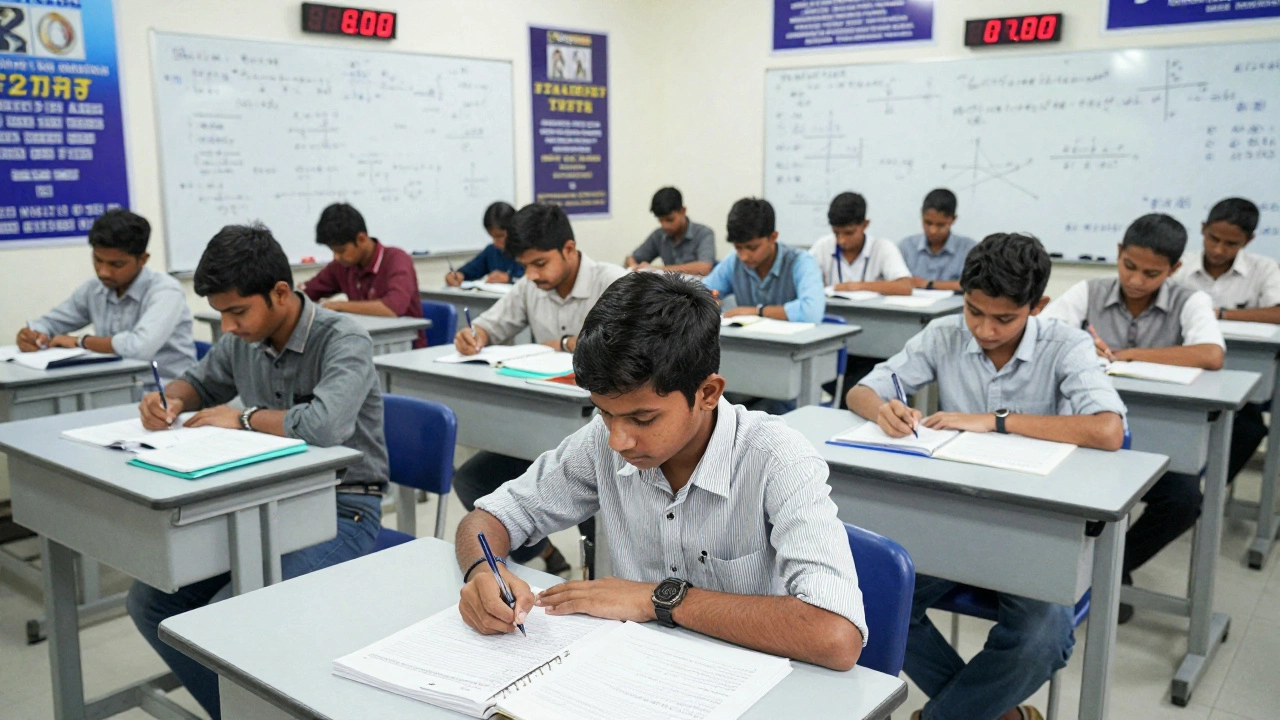
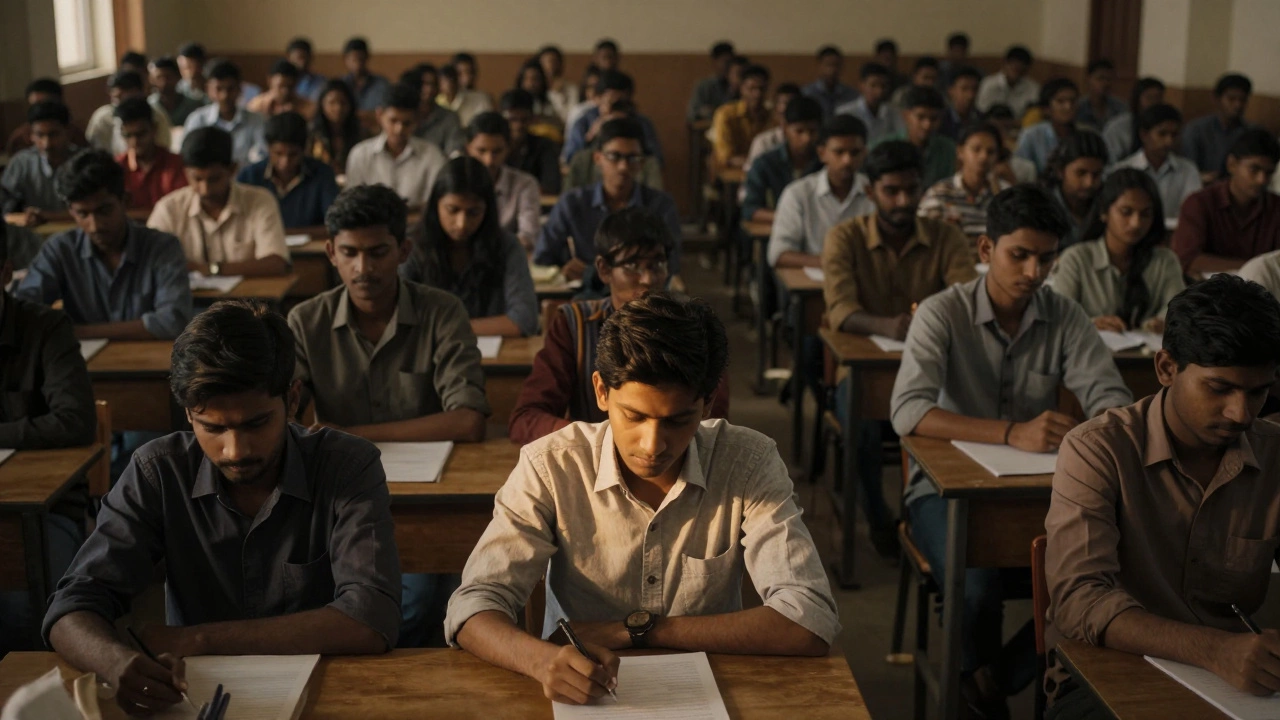
When you start preparing for the IIT JEE, India’s most competitive engineering entrance exam that opens doors to the Indian Institutes of Technology. Also known as Joint Entrance Examination, it’s the gateway for over 1.5 million students each year to just 25,000 seats across all IITs. This isn’t just another exam—it’s a marathon that tests your consistency, strategy, and mental toughness. The real challenge? You’re not just competing against your classmates. You’re competing against the top 1% of India’s student population, all grinding day and night for the same shot at an IIT seat.
Success in JEE Main, the first stage of the exam that filters candidates for JEE Advanced depends on smart time management and knowing where to focus. Chemistry, for example, often gives the best return on study time because most questions come straight from NCERT. But you can’t ignore JEE Advanced, the second, harder stage that determines your IIT admission. It’s where Physics gets tricky with multi-concept problems, and Math demands precision under pressure. The syllabus for both exams overlaps heavily, but the depth and speed required in Advanced are a whole different level. And while coaching centers like Physics Wallah help many, thousands of students crack it through self-study alone—proving that discipline beats expensive tuition every time.
Understanding your target matters too. If you’re aiming for a top IIT like Bombay or Delhi, you’ll need a rank under 2,000. But with a 10,000 rank, you’re still looking at solid NITs and good branches. The number of seats? Around 25,000 across all IITs, with reservations shaping who gets in where. And yes, people ask if it’s harder than Oxford or Harvard—but the real question isn’t comparison. It’s this: Can you stick to a plan for two years, handle failure without quitting, and turn weak chapters like electrochemistry or organic reaction mechanisms into strengths? The posts below give you real answers. You’ll find out which subjects are truly the most scoring, what books actually work, whether you can crack it in 6 months or 2 years, and how to study smart when time is tight. No fluff. Just what works for students who made it.
Which Subject Is Most Important for JEE? Physics, Chemistry, or Math?
Jun, 20 2026
Discover which subject-Physics, Chemistry, or Math-is most critical for JEE success. Learn scoring strategies, time management tips, and how to prioritize based on your strengths to maximize your IIT JEE rank.
How Hard Is It to Get Into IIT Bombay? A Realistic Guide to JEE Advanced
May, 22 2026
Discover the true difficulty of getting into IIT Bombay. We break down JEE Advanced stats, cutoff ranks, and strategies to help you prepare effectively for this highly competitive engineering entrance exam.
How to Start Preparing for IIT JEE: A Step-by-Step Guide for Beginners
May, 21 2026
A comprehensive guide on how to start preparing for IIT JEE, covering exam structure, NCERT importance, study schedules, problem-solving, and mental health tips for aspiring engineers.
Which School Sends Most Students to IIT? Top Coaching & Schools for JEE
May, 15 2026
Discover which institutions send the most students to IITs. From Kota's coaching giants like Allen and FIITJEE to elite schools like DPS, explore the data behind IIT JEE success and how to choose the right path.
What is the Hardest Subject in IIT JEE? Physics, Chemistry, or Math?
May, 1 2026
Discover which subject is considered the hardest in IIT JEE-Physics, Chemistry, or Math-and learn strategic tips to overcome challenges in each area for better exam performance.
Is IIT JEE Toughest Exam in India? A Real Look at the Difficulty
Mar, 31 2026
Explore the true difficulty of IIT JEE compared to other major Indian competitive exams like UPSC and NEET. Understand the selection ratios, syllabus depth, and coaching pressure.
Which IIT Has the Highest Package? 2026 Placement Data Revealed
Jan, 2 2026
IIT Bombay had the highest package in 2025 at ₹2.25 crore, followed by IIT Delhi and IIT Madras. Learn which IITs offer the best salaries, why branch and JEE rank matter, and how to maximize your placement chances.
Can I Self-Study for JEE? Here’s What Actually Works
Dec, 1 2025
Yes, you can self-study for JEE and crack it without coaching. Learn the right books, daily plan, common mistakes to avoid, and how to stay consistent-based on real data from past qualifiers.
What is the most scoring subject in JEE? Top subject for high marks in JEE Main and Advanced
Nov, 6 2025
Chemistry is the most scoring subject in JEE Main and Advanced due to its predictable patterns and high weightage of NCERT-based questions. Learn why it beats Physics and Math in marks per hour spent.
Can I Skip Physical Chemistry for JEE? What You Need to Know
Oct, 26 2025
Learn if you can skip physical chemistry for JEE, how much weight it carries, high‑yield topics, smart study tactics, and a checklist to keep your scores safe.
Toughest Chemistry Chapter for JEE: Which One Beats the Rest?
Oct, 23 2025
Discover why electrochemistry is the toughest chapter in JEE chemistry, compare difficulty across chapters, and get a focused study plan to ace it.
What Does JEE Stand For? The Meaning, History & Impact of This Top Exam
Aug, 7 2025
Unpack what "JEE" means, where it comes from, and why it matters for students dreaming of top Indian engineering colleges. Tips, facts & deep-dive included.