NEET City Suitability Calculator
Answer these 4 questions to find out which city matches your profile best.
Why this matters?
The city doesn't teach you; consistency does. However, the right environment removes friction from your daily routine. A high match score means the city's natural rhythm aligns with your psychological needs, reducing burnout risk. Try Again
Choosing where to study for NEET National Eligibility cum Entrance Test, the mandatory exam for MBBS admission in India is just as critical as choosing what to study. You might think that sitting in your hometown with family support is the safest bet, but thousands of students leave their comfort zones every year to chase higher ranks. The truth is, there is no single "best" city. There is only the right environment for your specific personality and learning style.
In 2026, the landscape has shifted. With high-quality online resources becoming standard, the physical location matters less for content delivery and more for discipline, peer pressure, and infrastructure. Are you someone who needs a strict routine enforced by neighbors doing the same thing? Or do you crumble under intense scrutiny and need space to breathe? Let’s break down the top contenders: Kota Rajasthan's education hub known for rigorous coaching, Delhi The capital offering diverse institutions and cultural exposure, Chandigarh A planned city with balanced lifestyle options, and the option of staying home.
The Kota Model: Pressure Cooker or Performance Booster?
Kota remains the undisputed heavyweight champion of test preparation. If you hear about coaching institutes, you hear about Kota first. Institutes like Allen Career Institute and Resonance have built empires here. The ecosystem is designed for one thing: results.
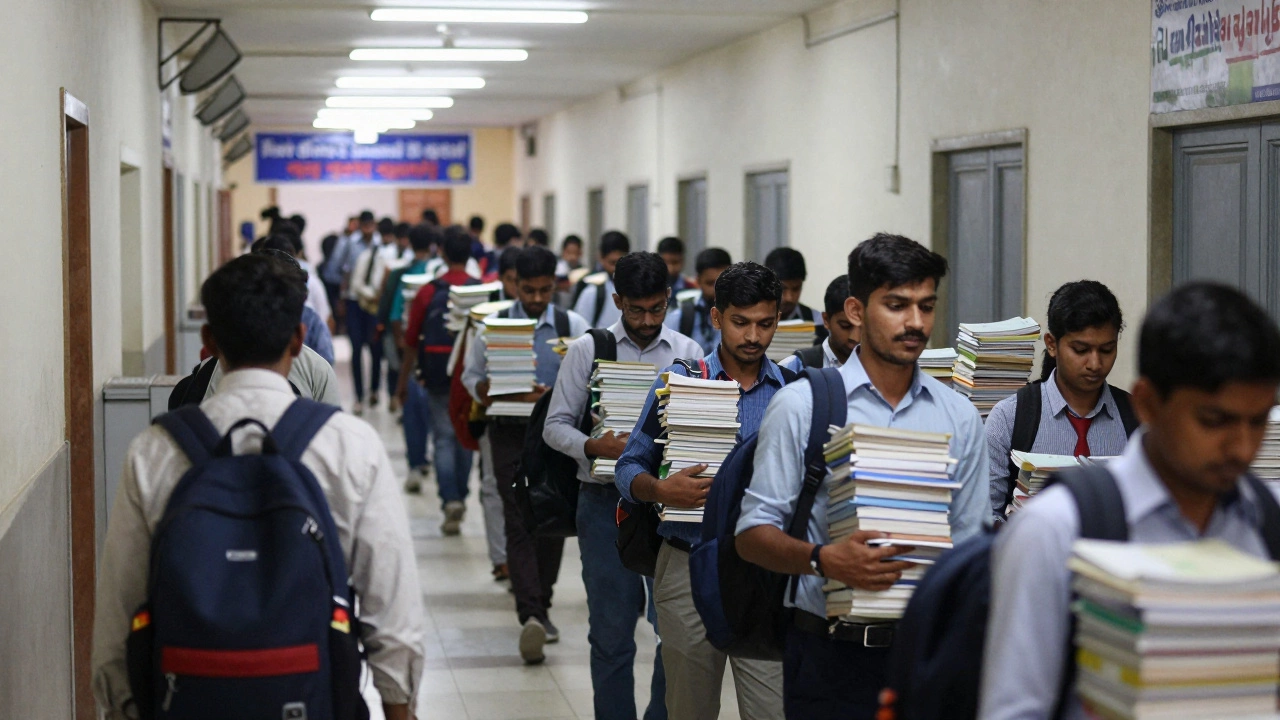
The primary advantage of Kota is the peer group. When everyone around you is studying from 7 AM to 10 PM, it becomes hard to slack off. This phenomenon, often called "positive peer pressure," works wonders for students who lack self-discipline at home. The infrastructure is also tailored for this; hostels are monitored strictly, food is standardized (often criticized but consistent), and distractions are minimal compared to metro cities.
However, the cost is high. Literally and figuratively. Monthly expenses including tuition, hostel, and mess can range from ₹30,000 to ₹50,000 depending on the institute. More importantly, the mental toll is significant. The competitive atmosphere can be suffocating. If you are sensitive to criticism or prone to anxiety, Kota might feel like a battlefield rather than a classroom. Recent years have seen increased focus on mental health support within these institutes, but the culture remains intensely competitive.
Delhi NCR: Diversity and Choice
If Kota is a monolith, New Delhi is a mosaic. The National Capital Region offers a wide variety of coaching centers, from established names like Aakash Institute and FIITJEE to smaller, boutique classes that offer personalized attention.
The biggest benefit of Delhi is choice. You aren't locked into one system. If you don't like your teacher, you can switch batches or even institutes. The city also offers better exposure to medical colleges, allowing you to visit campuses and understand the goal you're working towards. For students who thrive in dynamic environments and need some freedom to explore interests outside books, Delhi provides a healthier balance.
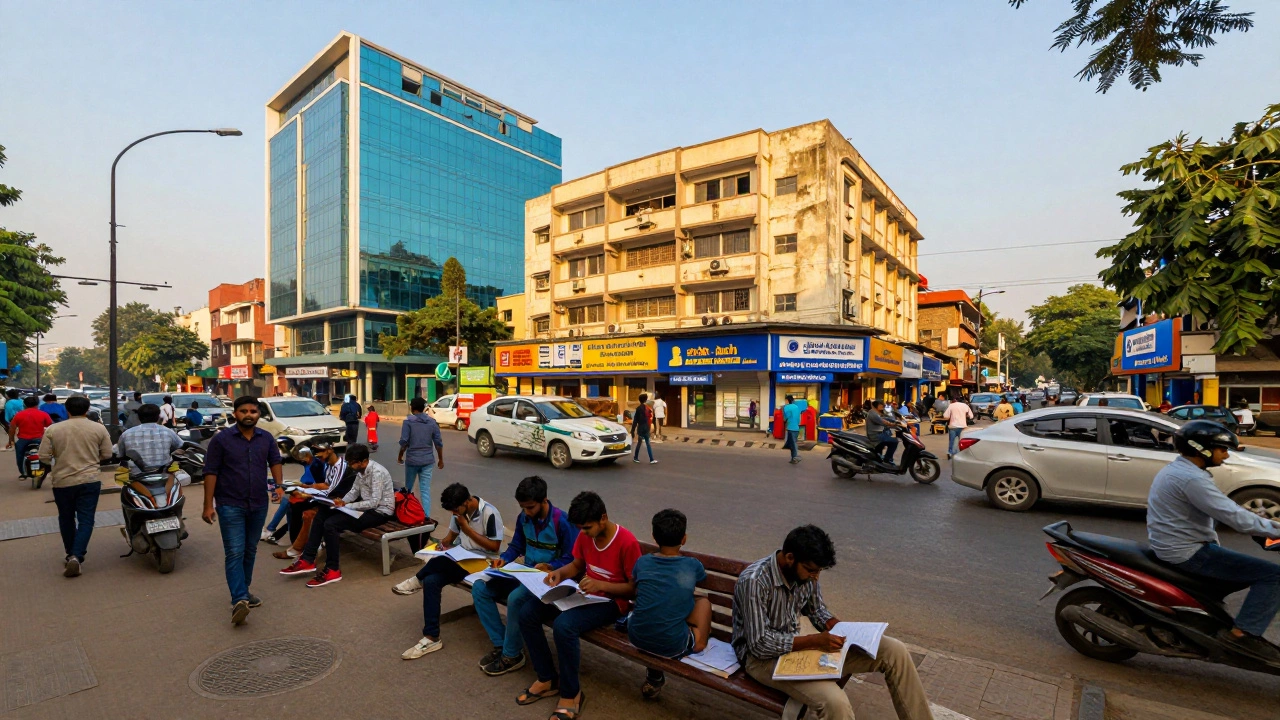
But Delhi comes with its own set of challenges. Distractions are everywhere-cinemas, malls, friends, and travel opportunities. Self-discipline is non-negotiable here. Additionally, living costs in Delhi are unpredictable. Rent alone in good areas near coaching hubs can exceed ₹15,000 per month, and commuting time can eat up hours of study time if you don't live nearby. Air quality issues, particularly during winter, can also disrupt outdoor breaks which are essential for stress relief.
Chandigarh and Other Emerging Hubs
Chandigarh has emerged as a strong alternative, especially for students from North India who want structure without the extreme intensity of Kota. Institutes like PW (Physics Wallah) have gained massive traction here, offering high-quality teaching at relatively lower costs compared to traditional giants.
Chandigarh offers a cleaner, more organized environment. The pace of life is slower, which helps in maintaining mental equilibrium. It’s ideal for students who perform well when they have a quiet, disciplined environment but don’t need constant external motivation. The community is supportive, and the city’s greenery provides a much-needed escape from textbook fatigue.
Other cities like Hyderabad and Bangalore are also gaining ground, particularly for students who prefer a tech-savvy approach to learning. These cities have excellent infrastructure, modern classrooms, and a growing number of educators focusing on conceptual clarity over rote memorization. However, they still lag behind Kota and Delhi in terms of the sheer density of NEET-specific resources and experienced faculty dedicated solely to medical entrance exams.

The Home Town Advantage: Underrated but Powerful
Let’s not overlook the most accessible option: your hometown. In 2026, with hybrid learning models becoming standard, moving away isn’t always necessary. Many top rankers come from small towns where they studied alongside their parents.
The benefits are clear. Emotional support from family reduces stress significantly. You save money on rent and travel. You can eat home-cooked food, which is generally healthier and cheaper than hostel fare. Most importantly, you control your schedule. You can wake up early, take naps when needed, and adjust your study hours based on your energy levels.
The downside? Distractions. Family gatherings, local festivals, and friends can interrupt your flow. You need strong boundaries. If your home environment is chaotic or unsupportive of your academic goals, then leaving might be necessary. But if you have a quiet room and supportive parents, staying home can be the smartest move.
| City | Avg. Monthly Cost (₹) | Peer Pressure Level | Distraction Risk | Mental Health Support |
|---|---|---|---|---|
| Kota | 35,000 - 50,000 | Very High | Low | Moderate (Improving) |
| Delhi NCR | 25,000 - 40,000 | High | High | Good |
| Chandigarh | 20,000 - 30,000 | Moderate | Moderate | Good |
| Hometown | 5,000 - 10,000 | Low | Variable | Excellent |
How to Decide: A Practical Checklist
Before booking a ticket or signing a hostel agreement, ask yourself these questions:
- Do I need external discipline? If yes, consider Kota or a structured hostel program elsewhere.
- Am I easily distracted? If yes, avoid Delhi unless you choose a residential course with strict rules.
- What is my budget? Be realistic. Debt stress affects performance. Choose a city that fits your financial reality.
- How do I handle stress? If you crack under pressure, avoid hyper-competitive environments. Look for Chandigarh or stay home.
- Is my current school/coaching adequate? If your local teachers are knowledgeable and tests are regular, you may not need to move at all.
Remember, the city doesn’t teach you. Your consistency does. The best city is the one where you can study 8-10 hours daily without burning out.
Is Kota really necessary for cracking NEET?
No. While Kota offers an intense ecosystem, many top rankers come from other cities or their hometowns. Success depends on your dedication, quality of study material, and regular practice, not just the location. Online platforms now provide access to Kota-level teaching from anywhere.
Which city is best for NEET preparation if I am weak in Physics?
Cities with institutes known for strong conceptual teaching, like Delhi (Aakash) or Chandigarh (PW), might help. Look for coaches who simplify complex topics rather than those who rely on shortcuts. Personal doubt-clearing sessions are crucial for improving in Physics.
Look for cities with institutes known for strong conceptual teaching, like Delhi (Aakash) or Chandigarh (PW). These places often have faculty who specialize in simplifying complex Physics topics. Ensure the institute offers regular personal doubt-clearing sessions, which are vital for mastering difficult subjects.
Can I prepare for NEET effectively from my hometown?
Absolutely. With digital resources, recorded lectures, and online test series, you can replicate the coaching experience at home. The key is creating a disciplined routine and minimizing distractions. Many students find that emotional support from family boosts their confidence and reduces anxiety.
What are the main risks of moving to Kota for NEET?
The main risks include high financial burden, intense peer pressure leading to anxiety, and potential burnout. Some students struggle with homesickness or adjustment issues, which can negatively impact their studies. It’s important to assess your mental resilience before making the move.
How much does it cost to prepare for NEET in Delhi?
Costs vary widely. Tuition fees range from ₹15,000 to ₹30,000 per month depending on the institute. Accommodation adds another ₹10,000 to ₹20,000. Total monthly expenditure typically falls between ₹25,000 and ₹40,000, excluding initial setup costs like deposits and books.