
Everyone talks about the freedom of learning from your couch. You see ads promising degrees, certificates, and new skills without ever stepping into a lecture hall. It sounds perfect on paper. But if you have ever tried to finish a course while your internet flickers or your motivation fades, you know the reality is messier. eLearning is digital education delivered through electronic media, often via the internet, allowing learners to access content remotely. While it has revolutionized access to knowledge, it comes with significant hurdles that can derail your progress if you are not prepared. Before you sign up for that next big course, you need to understand what you are actually signing up for.
The Isolation Factor and Social Interaction
One of the biggest complaints from students switching to digital formats is the lack of human connection. In a physical classroom, you learn from the instructor, but you also learn from your peers. You strike up conversations before class starts. You form study groups. You get a sense of belonging. Traditional Classroom is a physical learning environment where students and teachers interact face-to-face in a designated location. This environment naturally fosters networking and collaboration.
When you move to Online Learning Platforms is software systems that host digital courses, manage student progress, and facilitate remote instruction, that dynamic changes. You are often alone in a room with a screen. Discussion forums can feel stiff and impersonal. You might post a question and wait hours, or even days, for a reply. This isolation can lead to a drop in engagement. Without the social pressure of sitting next to classmates, it is easier to tune out. For subjects that require debate or group work, like law or business strategy, this lack of immediate social feedback can hinder the development of soft skills.
Self-Discipline and Motivation Challenges
Let's be honest: no one is watching you. In a physical setting, if you skip class, the professor notices. Your attendance might be marked down. In the digital world, you can log in, click the start button, and then close the tab to check social media. Self-Discipline is the ability to control one's feelings and overcome weaknesses to pursue what one ought to do, regardless of feelings becomes the most critical skill you need, often more than the subject matter itself.
Many people underestimate how much willpower is required to stick to a schedule when there are no external deadlines enforcing it. Procrastination becomes the enemy. You tell yourself you will study tonight, but by the time evening comes, you are exhausted from your day job. The course remains untouched. Completion rates for massive open online courses often hover below 10 percent. This isn't just about laziness; it is about the structure of the learning environment. Without a teacher physically present to nudge you, the responsibility falls entirely on your shoulders. If you are not used to managing your own time, you will likely drop out before you see the finish line.
Technical Barriers and Connectivity Issues
Technology is supposed to make things easier, but it often creates new problems. The biggest one is the internet connection. If you live in an area with spotty service, your learning experience can be frustrating. Imagine trying to take a timed exam when your video freezes right in the middle of the question. That is a real risk. Internet Connectivity is the ability of a device to connect to the internet, which is essential for accessing online resources and streaming content is a prerequisite that many forget to check before enrolling.
Beyond the connection, you need the right hardware. Not everyone has a high-performance laptop. Some platforms require specific browsers or plugins that might not work on older devices. Software updates can break compatibility overnight. Then there is the issue of digital literacy. If you are not comfortable navigating complex interfaces, you might spend more time figuring out how to submit an assignment than actually doing the work. These technical glitches can cause unnecessary stress and anxiety, especially during critical moments like live webinars or final assessments.

Credential Recognition and Employer Perception
You finish the course. You get the certificate. Now what? Does it hold the same weight as a degree from a brick-and-mortar university? Certification is a document or badge that verifies the completion of a course or mastery of a skill value varies wildly depending on the provider. Some employers respect top-tier institutions offering online programs, but others still view them with skepticism. There is a lingering bias that online education is easier or less rigorous than traditional schooling.
This perception can affect your job prospects. If you are looking to switch careers, a random certificate might not be enough to get your foot in the door. You need to research the reputation of the platform beforehand. Accreditation matters. If the program is not recognized by industry bodies, the time and money you spent might not yield a return on investment. It is crucial to verify if the credential is listed on your resume in a way that hiring managers will respect.
Lack of Immediate Feedback and Support
In a physical class, if you don't understand a concept, you raise your hand. The teacher explains it right then and there. In an Asynchronous Learning is a learning method where students access materials at their own pace without real-time interaction with instructors environment, that immediacy is gone. You might post a question on a forum and wait 24 hours for a response. By the time you get an answer, you might have already moved on or lost the thread of your understanding.
This delay can compound confusion. If you get stuck on week one, you might never reach week two. Without a mentor to guide you through the confusion, frustration builds up. Automated quizzes give you a score, but they don't explain why you got something wrong in a nuanced way. Human feedback is essential for complex skills like writing or coding, where context matters. Relying solely on automated grading systems can leave gaps in your knowledge that you don't even know exist.
Comparison: eLearning vs. Traditional Classroom
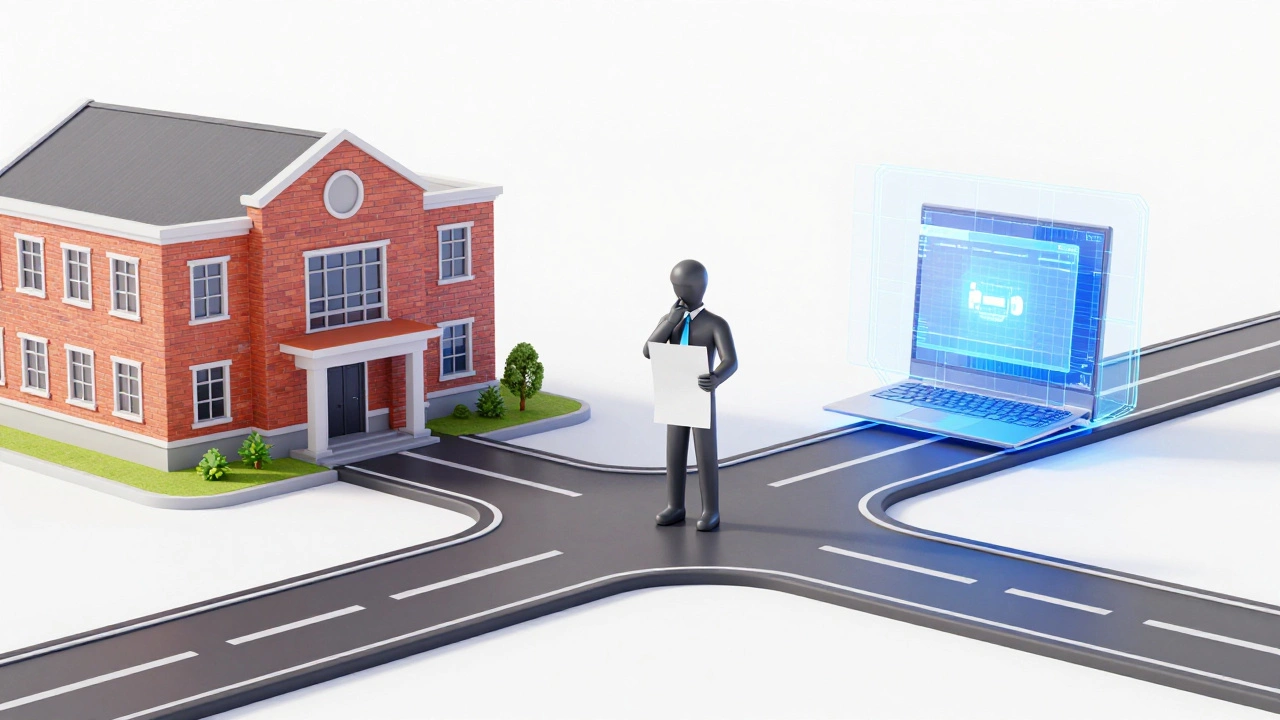
To visualize these differences, look at how these two models stack up against each other in key areas.
| Feature | eLearning | Traditional Classroom |
|---|---|---|
| Social Interaction | Limited, mostly digital | High, face-to-face |
| Flexibility | High (anytime/anywhere) | Low (fixed schedule) |
| Self-Discipline Required | Very High | Low to Moderate |
| Technical Requirements | High (Internet, Hardware) | Low (Notebook, Pen) |
| Feedback Speed | Delayed (Hours/Days) | Immediate |
| Cost | Variable (Often Lower) | High (Tuition, Commute) |
Strategies to Overcome These Disadvantages
Knowing the downsides is only half the battle. You can still succeed in this format if you mitigate the risks. First, create a dedicated study space. Do not study on your bed or in a noisy kitchen. Treat your home office like a real classroom. Second, build a schedule. Write down exactly when you will study and stick to it. Put these times in your calendar as non-negotiable appointments.
Third, seek out community. Join Discord servers or LinkedIn groups related to your course. Find other students to hold you accountable. This mimics the social pressure of a physical class. Finally, verify your technical setup before you start. Test your internet speed. Ensure your microphone works. Download the necessary software in advance. By preparing for the challenges, you reduce the friction that leads to quitting.
Understanding Course Completion Rates
It is also important to look at the data. Course Completion Rates is the percentage of students who start a course and successfully finish it are a key metric for evaluating the difficulty of online programs. If a platform advertises a high completion rate, ask how they track it. Some count anyone who logs in once. Others count only those who pass the final exam. High dropout rates are common in the industry, often cited between 50 to 90 percent for free courses. This statistic should not discourage you, but it should make you realistic. You are in the minority if you finish. Plan for the obstacles that cause the majority to quit.
Final Thoughts on Choosing Your Path
Online education is not a magic bullet. It offers incredible access to information, but it demands a different kind of effort. You need to be your own project manager, your own IT support, and your own motivator. If you value flexibility above all else and have the discipline to back it up, it can be a powerful tool. If you thrive on interaction and need structure, a traditional setting might serve you better. Weigh these factors carefully before you commit your time and money.
Is eLearning recognized by employers?
It depends on the provider. Certificates from accredited universities or well-known platforms like Coursera or edX are generally respected. However, generic certificates from unknown sites may hold little value.
How can I stay motivated during online courses?
Set a strict schedule, create a dedicated study space, and find an accountability partner. Breaking the course into small, manageable goals also helps maintain momentum.
What are the biggest technical issues in eLearning?
Common issues include unstable internet connections, incompatible software, and hardware limitations. These can disrupt live sessions and prevent access to course materials.
Does eLearning lack social interaction?
Yes, it typically offers less face-to-face interaction than traditional classes. Networking opportunities are often limited to forums or chat groups, which can feel impersonal.
Are completion rates high for online courses?
Completion rates are generally lower than traditional courses. Many students start online programs but drop out due to lack of time, motivation, or technical difficulties.