CBSE School Fit Finder
Not sure which board suits your child? Answer these 4 questions to get a personalized recommendation.
1. Career Goals
2. Lifestyle & Location
3. Learning Style
4. Exam Pressure Tolerance
Your Best Match
Match Confidence Score
Why this fits?
- Loading...
Things to Consider
- Loading...
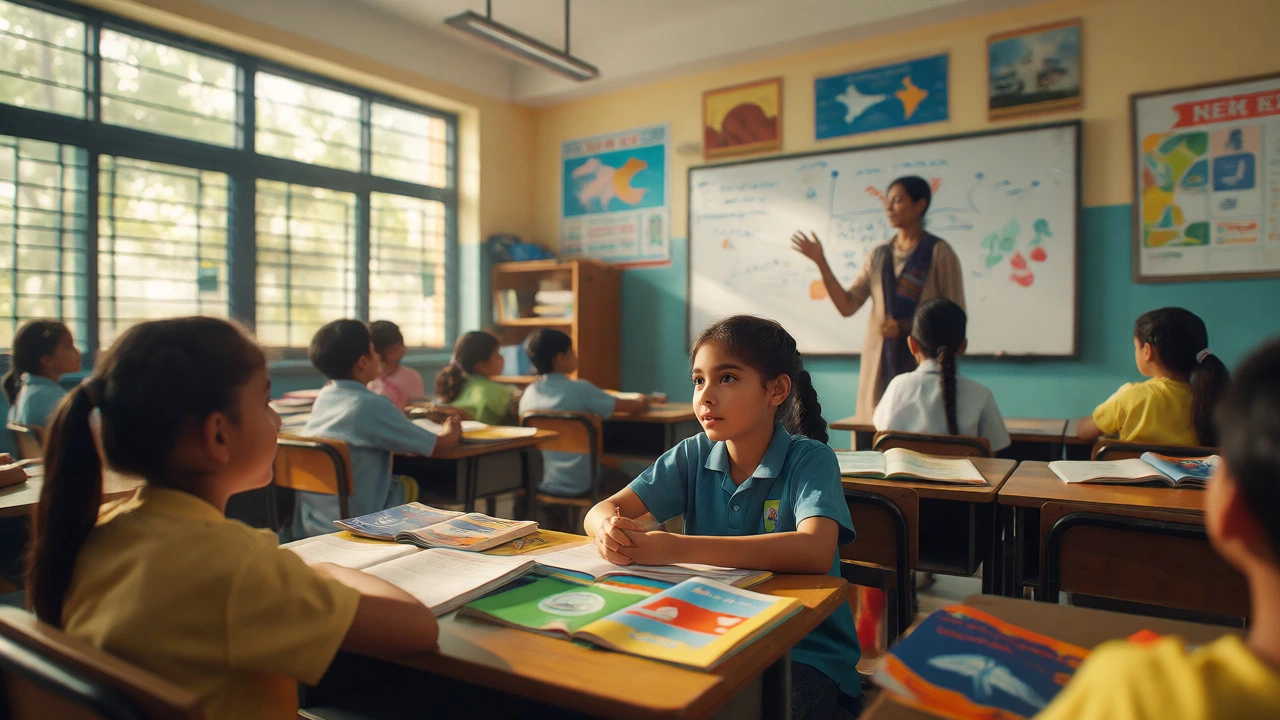
You’re standing at a crossroads. Your child is turning six, and the phone calls from neighbors and relatives have started: "Which school are you choosing?" In India, this isn't just a question of proximity to home; it’s a debate about future opportunities, teaching styles, and which board exam your kid will eventually sweat over. If you’ve heard the term CBSE thrown around more than any other, you might be wondering what exactly makes these schools different from the hundreds of others dotting the landscape.
Here is the straight answer: CBSE schools are educational institutions affiliated with the Central Board of Secondary Education, a national-level organization that sets the curriculum, conducts examinations, and maintains standards across India and many international locations. Unlike state boards, which vary wildly from one region to another, CBSE offers a uniform structure. This consistency is why it’s the default choice for families who move frequently due to government or corporate jobs, and for students aiming for competitive exams like JEE (engineering) and NEET (medicine).
The Core Identity: What Makes a School 'CBSE'?
Think of the Central Board of Secondary Education as the architect of a specific blueprint for schooling. When a school claims to be "CBSE," it means they follow the rules laid out by New Delhi-based headquarters. The most critical aspect here is affiliation. A private school doesn’t just decide to become CBSE overnight. They must apply, meet infrastructure norms, hire qualified teachers, and get approved by the board. Once affiliated, they must stick to the script regarding textbooks, assessment patterns, and grading systems.
This centralization brings two major benefits. First, transferability. If you live in Mumbai today and get posted to Kolkata next year, your child can join a CBSE school there without missing a beat. The Grade 8 syllabus in Science is largely the same in both cities. Second, it standardizes quality. While implementation varies by teacher, the baseline expectations are set nationally. This contrasts sharply with State Boards, where a student moving from Tamil Nadu to Uttar Pradesh might find completely different topics covered in their History class.
Curriculum Deep Dive: Why NCERT Matters
If you walk into a CBSE classroom, you’ll likely see stacks of books published by NCERT (National Council of Educational Research and Training) on the desks. These aren’t just optional reading material; they are the backbone of the CBSE curriculum. For subjects like Science and Mathematics, the board explicitly states that questions in board exams will be based on NCERT textbooks.
Why does this matter to you as a parent? Because it simplifies life. You don’t need to buy five different reference books to cover the syllabus. The NCERT texts are designed to be conceptual rather than rote-heavy. They encourage understanding "why" gravity works, not just memorizing the formula. However, this also means that if your child struggles with self-study, they might fall behind, as CBSE expects a higher level of independent learning compared to some rigid state board structures.
The curriculum spans from Grade 1 to Grade 12. It is divided into stages:
- Primary Stage (Grades 1-5): Focuses on foundational literacy, numeracy, and environmental awareness. No formal exams in early grades; assessment is continuous and comprehensive.
- Middle Stage (Grades 6-8): Introduces distinct subjects like Hindi, English, Mathematics, Science, and Social Studies. Critical thinking starts to take center stage.
- Secondary Stage (Grades 9-10): This is where the pressure mounts. The Class 10 board exam is the first major milestone. Subjects expand to include IT, Home Science, or Sanskrit as electives.
- Senior Secondary (Grades 11-12): Students choose streams-Science, Commerce, or Humanities. This decision heavily influences college admissions.
CBSE vs. ICSE vs. State Boards: Making the Choice
Parents often ask, "Is CBSE better than ICSE?" The truth is, neither is objectively "better." They serve different purposes. Here is how they stack up against each other and the local State Boards.
| Feature | CBSE | ICSE | State Boards |
|---|---|---|---|
| Governing Body | Central Government (New Delhi) | CISCE (Council for the Indian School Certificate Examinations) | Respective State Governments |
| Syllabus Focus | Conceptual, aligned with National Entrance Exams (JEE/NEET) | Vast, detailed, strong emphasis on English language skills | Varies by state; often localized content |
| Textbooks | NCERT primarily | Publisher-specific (Selina, Frank, etc.) | State SCERT publications |
| Exam Pattern | Standardized nationwide; multiple-choice and short answers | Descriptive; requires lengthy answers and deep analysis | Standardized within the state only |
| Best For | Students targeting engineering/medical fields; transferable jobs | Students aiming for abroad studies; strong communication skills | Families staying in one city/state long-term |
Notice the pattern? If your child dreams of becoming an engineer or doctor, CBSE gives them a head start because the entrance exams (JEE Main, NEET UG) are directly based on the CBSE syllabus. ICSE, while excellent for building broad knowledge and English proficiency, requires extra effort later when preparing for these specific Indian entrance tests. State boards are cost-effective but lack the national recognition and portability that CBSE offers.
Admission Process and Eligibility
Getting into a good CBSE school can feel like applying for a visa. The process is structured and time-bound. Most reputable CBSE schools open admissions between November and January for the upcoming academic year starting in April.
Here is the typical checklist:
- Age Verification: For Grade 1, children usually need to be 5 years old by March 31st of the admission year. Check the specific cutoff date of the school.
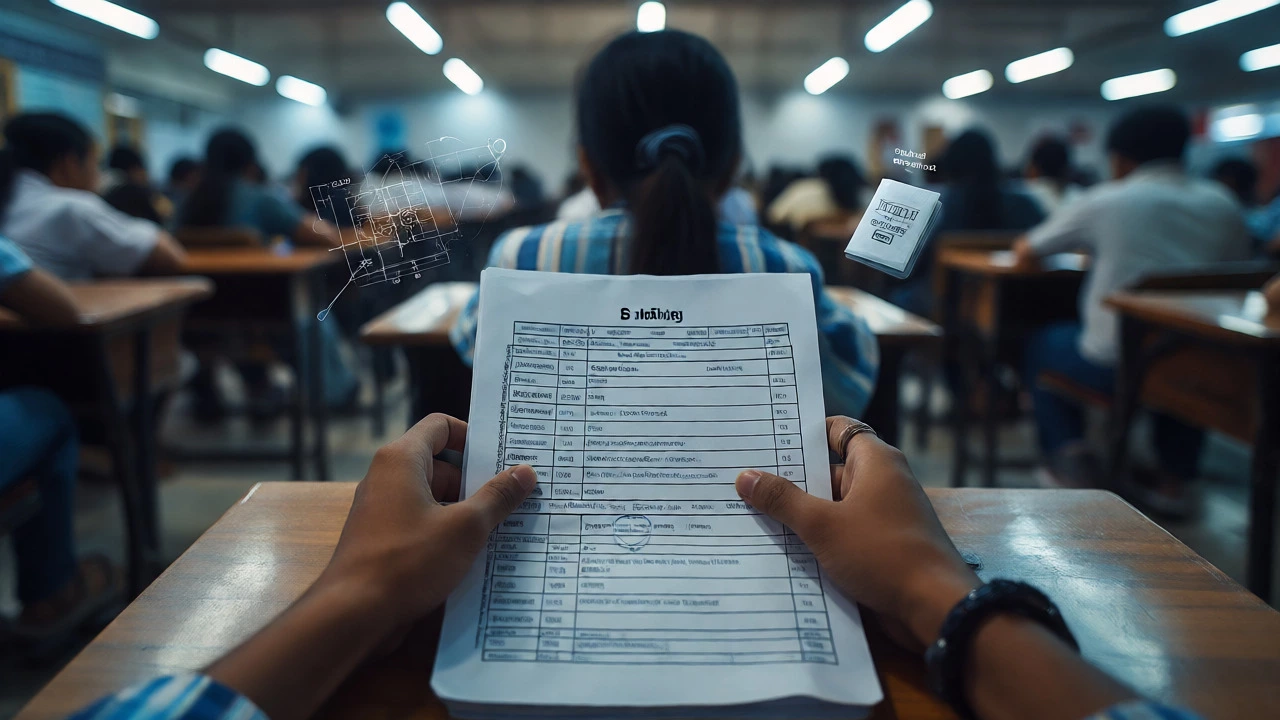
- Documents: Birth certificate, Aadhaar card, previous report cards (for lateral entry), passport-sized photos, and proof of residence.
- Interaction Session: Unlike older times, most schools now avoid written tests for young kids. Instead, they conduct an informal interaction to check social readiness and basic cognitive skills.
- Interview: Some top-tier CBSE schools interview parents too. They want to know if your values align with the school’s philosophy.
Pro Tip: Don’t wait until the last week. Popular CBSE schools in metro cities like Delhi, Bangalore, and Pune fill up months in advance. Register online as soon as the portal opens.
The Hidden Costs: Fees and Extras
One misconception is that all CBSE schools are expensive. Not true. There are government-run CBSE schools (like Kendriya Vidyalayas and Jawahar Navodaya Vidyalayas) that offer high-quality education at negligible costs. On the other end of the spectrum, elite private CBSE schools charge lakhs per year.
When budgeting, look beyond the tuition fee. Ask about:
- Admission Fee: Often a one-time non-refundable charge.
- Annual Charges: For labs, libraries, sports, and computer facilities.
- Transportation: Bus fees can add up significantly, especially in sprawling cities.
- Uniforms and Books: While NCERT books are cheap, schools may require specific uniforms or additional activity kits.
Kendriya Vidyalayas (KVs) are a great option if you qualify. They are funded by the Ministry of Defence and prioritize children of central government employees. Their infrastructure is decent, and the education is solid, though competition for seats is fierce.
Why Teachers and Students Prefer CBSE
From a pedagogical standpoint, CBSE has evolved significantly in recent years. The introduction of Competency-Based Education (CBE) aims to reduce rote learning. Case-based questions now appear in board exams, forcing students to apply concepts to real-world scenarios. For example, instead of asking "Define photosynthesis," a question might present a scenario about a plant kept in a dark room and ask the student to predict the outcome.
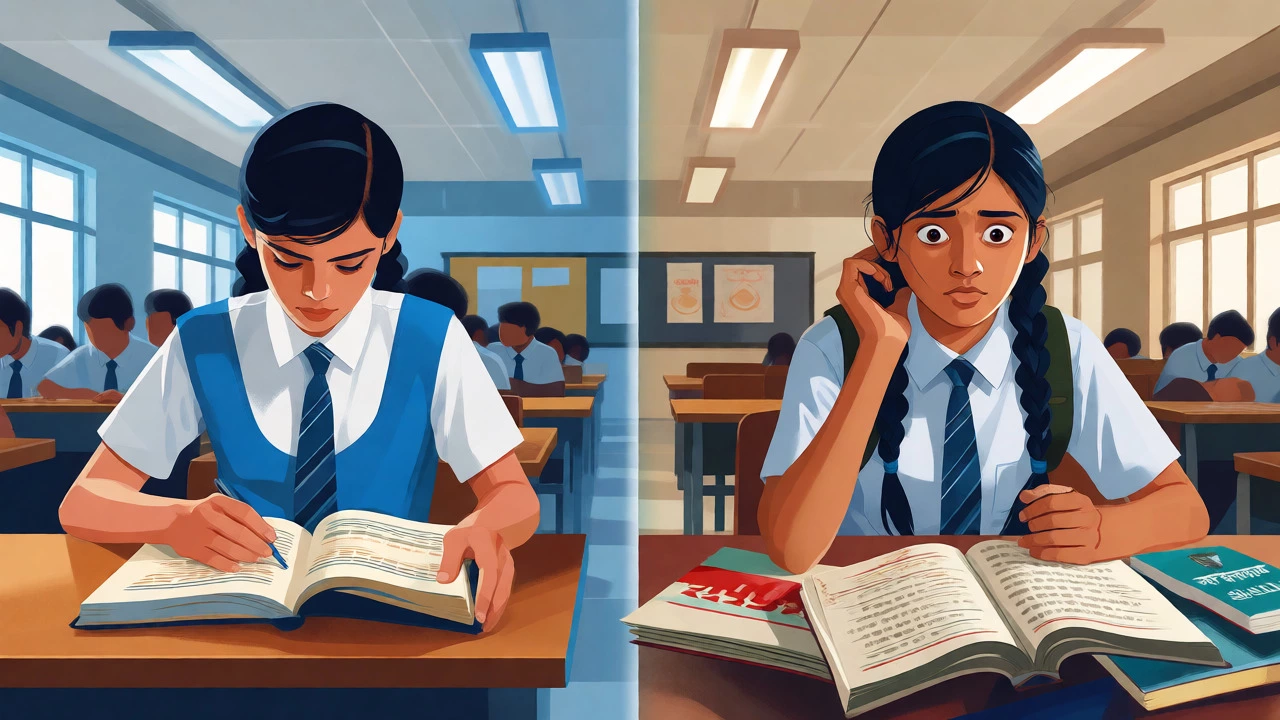
Teachers appreciate the clear guidelines provided by the board. Lesson plans are standardized, making it easier to train new staff. For students, the grading system in Classes 9 and 10 uses a combination of internal assessments (40%) and external board exams (60%). This reduces the anxiety of a single three-hour exam determining your entire future, although the weightage was recently adjusted back toward more rigorous testing in some contexts.
Common Pitfalls to Avoid
Even with the best intentions, parents sometimes make mistakes when choosing CBSE schools.
Ignoring the Location Factor: Just because a school is CBSE doesn’t mean it’s good. A poorly managed CBSE school in a remote area might lack lab equipment or qualified math teachers. Visit the campus. Talk to current parents. Ask about teacher retention rates.
Overlooking Co-Curricular Activities: CBSE mandates sports and arts, but execution varies. Does the school actually have a swimming pool, or is it just a promise in the brochure? Does it participate in inter-school science fairs? These experiences shape confidence more than marks do.
Assuming All CBSE Schools Are Equal: There is a massive gap between a Kendriya Vidyalaya and a premium international-style CBSE school. Understand what you are paying for. Are you buying access to foreign university counseling? Or just a safe environment?
Looking Ahead: The Future of CBSE
As we move through 2026, CBSE continues to integrate technology into classrooms. Smart classes, AI-driven personalized learning apps, and digital portfolios are becoming common. The board is also pushing for vocational training in senior secondary levels, allowing students to learn coding, design, or finance alongside traditional subjects. This shift acknowledges that not every student needs to go to college immediately after Grade 12.
For parents, the takeaway is simple: CBSE provides a stable, nationally recognized framework that prepares students for both Indian competitive exams and global higher education. It balances structure with flexibility. But remember, the board is just the skeleton. The flesh and blood-the culture, the teachers, the peer group-come from the specific school you choose.
Are CBSE schools only for government job transfers?
No. While they were originally popular among central government employees due to transferability, today, millions of private sector professionals and business owners choose CBSE for its alignment with national entrance exams and consistent quality standards across India.
Is the CBSE syllabus harder than ICSE?
Not necessarily harder, but different. ICSE has a wider syllabus and demands more descriptive writing, particularly in English and Literature. CBSE focuses more on core concepts in Science and Math, which aligns closely with JEE and NEET preparations. Many students find CBSE more manageable if their goal is engineering or medicine.
Can I switch my child from a State Board to CBSE mid-way?
Yes, but it’s tricky. Switching before Grade 9 is easier. After Grade 9, the syllabus divergence becomes significant. You would need to ensure the new CBSE school accepts the previous academic records and that the child catches up on any missed topics, especially in languages and specific science modules unique to the state board.
Do CBSE schools use English as the primary language?
Most private CBSE schools teach primarily in English. However, Hindi is compulsory in many regions until Grade 8 or 10, depending on the school's policy and regional regulations. International CBSE schools may offer different language options, including French or Spanish.
What are Kendriya Vidyalayas?
Kendriya Vidyalayas (KVs) are a chain of public schools operated by the Ministry of Education, following the CBSE curriculum. They are known for disciplined environments and low fees. Admission priority is given to children of central government employees, but seats are available for others if vacancies remain.