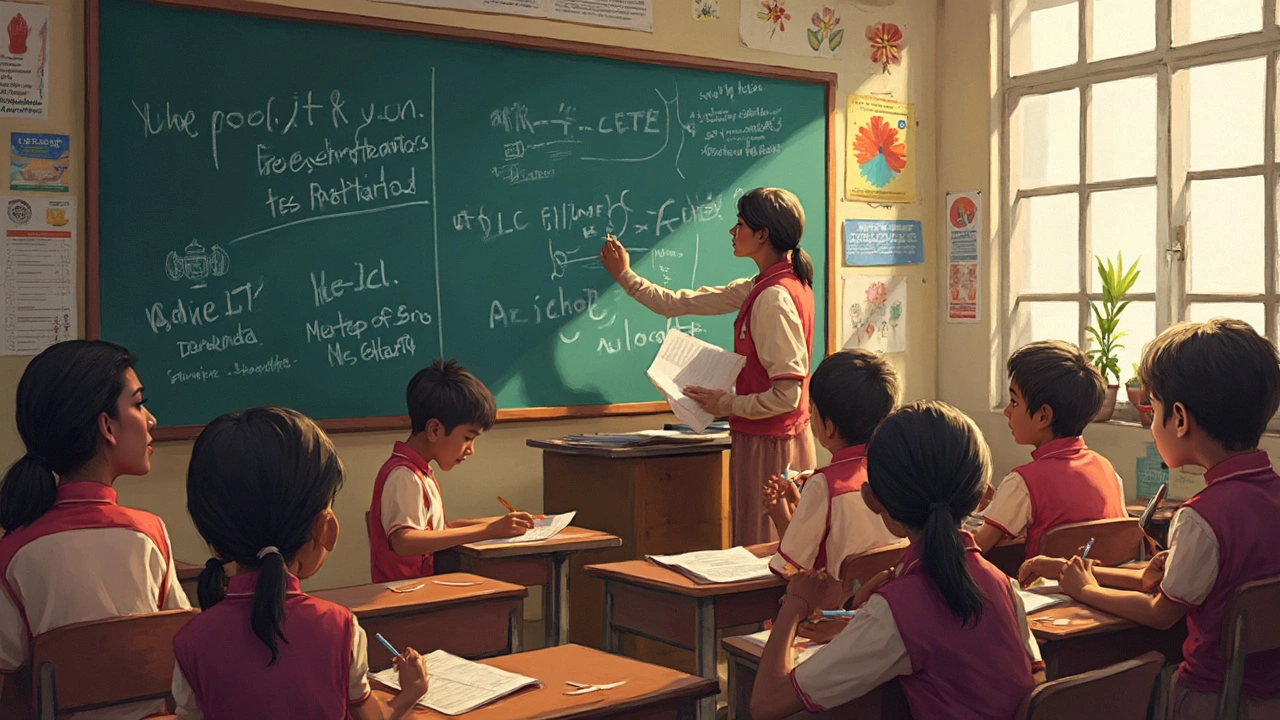
Start IIT JEE: How to Begin Your JEE Preparation the Right Way
When you decide to start IIT JEE, the national-level engineering entrance exam in India that determines admission to top institutes like IITs and NITs. Also known as JEE Main and Advanced, it's not just about studying harder—it's about studying smarter from day one. Most students jump straight into coaching or buy ten books, but the real mistake is skipping the foundation. The exam doesn’t reward cramming. It rewards consistency, smart prioritization, and understanding what actually shows up on the test.
One of the biggest advantages you can get early is focusing on chemistry, the most scoring subject in JEE due to its heavy reliance on NCERT and predictable question patterns. While physics demands deep conceptual thinking and math needs endless practice, chemistry gives you quick wins. Topics like chemical bonding, periodic table, and organic reaction mechanisms repeat every year. Mastering them early builds confidence and frees up time for tougher areas. You don’t need to know everything at once—just nail the high-yield chapters first.
Another key entity you can’t ignore is CBSE syllabus, the curriculum followed by over 20 million students in India and the exact blueprint JEE questions are built on. If you’re not aligned with CBSE’s Class 11 and 12 content, you’re wasting energy. JEE doesn’t test advanced topics—it tests NCERT deeply. That means your textbook isn’t enough; you need to know how to extract every line, every example, every diagram. Many top scorers say they read NCERT chemistry three times before touching any reference book.
And then there’s time. You can’t start IIT JEE last minute. The exam isn’t won in six months—it’s won by how you use the first 100 days. Start by mapping out what’s tested: 25% physics, 25% math, 50% chemistry? No. Actually, chemistry carries more weight per hour studied because its questions are more predictable. Physics and math require longer problem-solving chains, but chemistry gives you points faster. That’s why students who begin with chemistry often see their scores climb faster than those who start with calculus or mechanics.
You don’t need to be a genius. You just need to be consistent. Track what you study each day. Review what you got wrong. Don’t skip the easy topics because they seem boring—those are the ones that boost your rank. And don’t get distracted by coaching ads promising 99th percentile in 30 days. Real progress comes from daily habits: solving five problems, revising one chapter, writing down three mistakes.
By the time you finish your first month, you should know which chapters are your strength and which are your weakness—not because you took a mock test, but because you’ve read the syllabus, compared it with past papers, and started connecting the dots. The best time to start IIT JEE was yesterday. The second best time is now. Below, you’ll find real guides from students who’ve done it—on how to pick the right study material, how to handle physical chemistry without burning out, and why skipping it isn’t an option even if it feels hard.
Best Starting Point for IIT Preparation: Finding Your Ideal Class
Mar, 13 2025
Starting IIT preparation at the right time can significantly influence a student's performance and success. This article explores which class is ideal for beginning IIT preparation, offering insights into balancing academics with leisure and integrating healthy study habits. It also highlights when students typically start, along with practical tips to enhance study efficiency and motivation. Discover the best strategies to set a strong foundation for IIT JEE right from the start.