Education System in India: CBSE, NEET, and How Schools Shape Your Future
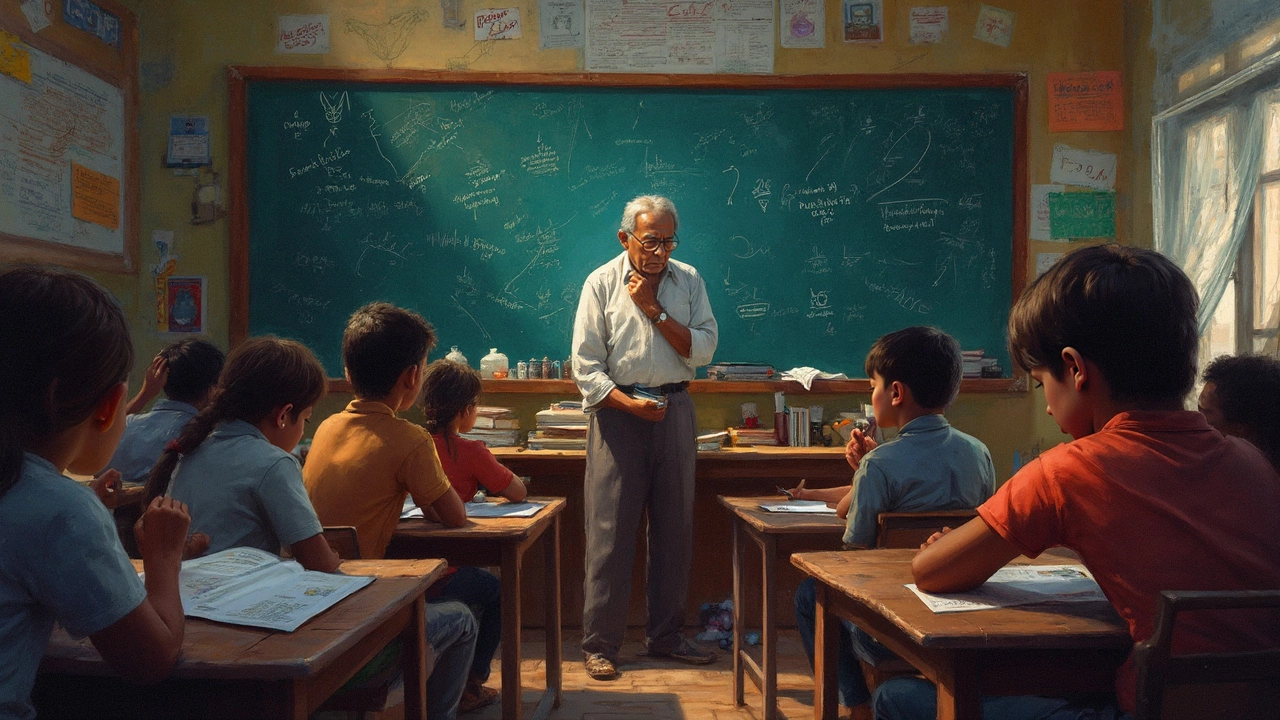
When you think about the education system, the structured way schools, exams, and coaching shape learning in India. Also known as the school curriculum framework, it determines everything from which books you study to whether you become a doctor, engineer, or skilled worker. This isn’t just about classrooms—it’s a pipeline that connects your 10th-grade exam to your NEET score, your coaching center, and eventually your career.
The CBSE, the most widely used school board in India, focused on standardized testing and alignment with national entrance exams dominates because it’s simple, predictable, and built for competition. Over 20 million students study under CBSE, not because it’s the most creative, but because it’s the most reliable path to JEE and NEET. Compare that to ICSE or state boards—some offer deeper theory, but CBSE gives you the clearest runway to top colleges. And if you’re aiming for government jobs, CBSE’s nationwide recognition means your certificates won’t raise eyebrows in Delhi, Mumbai, or Bhopal.
But the education system doesn’t stop at school boards. It extends into NEET, the national medical entrance exam that acts as a gatekeeper for over 90% of medical seats in India. Coaching institutes aren’t optional—they’re part of the system. Students spend years in coaching centers, not because they love memorizing reactions, but because the exam rewards speed, pattern recognition, and NCERT mastery. And if you’re not aiming for medicine? The system still pushes you toward engineering, government exams like RRB Group D, or vocational paths like electrician or nursing diplomas—all certified, all tracked, all tied to national standards.
There’s a hidden truth here: the education system in India doesn’t reward curiosity. It rewards consistency. It doesn’t care if you love chemistry—it cares if you can solve 45 multiple-choice questions in 45 minutes. That’s why the most scoring subject in JEE isn’t physics or math—it’s chemistry. Why? Because it’s the most predictable. NCERT repeats. Patterns repeat. You can train for it. That’s the system’s strength—and its flaw.
And if you’re wondering about alternatives? Vocational training is growing fast. A welding certificate or a lab technician diploma can earn you more than a degree from a mediocre college. The system is slowly waking up to this, but most parents still push for MBBS or B.Tech. Why? Because tradition beats data. But the data is clear: skilled trades have higher job placement rates and lower debt. The system isn’t broken—it’s just outdated for many.
What you’ll find below isn’t a list of articles. It’s a map. A map of how CBSE shapes your first exam, how NEET coaching centers turn students into doctors, how vocational paths bypass the college race, and how government jobs use credit checks and syllabus filters to pick winners. These aren’t random posts—they’re pieces of the same machine. And now you know how it works.
Exploring the Toughest Education Systems
Mar, 7 2025
This article delves into the most challenging education systems worldwide, focusing on what makes them so demanding. It explores various national systems, with a specific look at how India's CBSE compares. Discover unique educational strategies and tips for tackling tough academic environments. By understanding these systems, students and educators can gain insights into effective learning strategies.
Is CBSE Really Tougher Than American Schools?
Feb, 18 2025
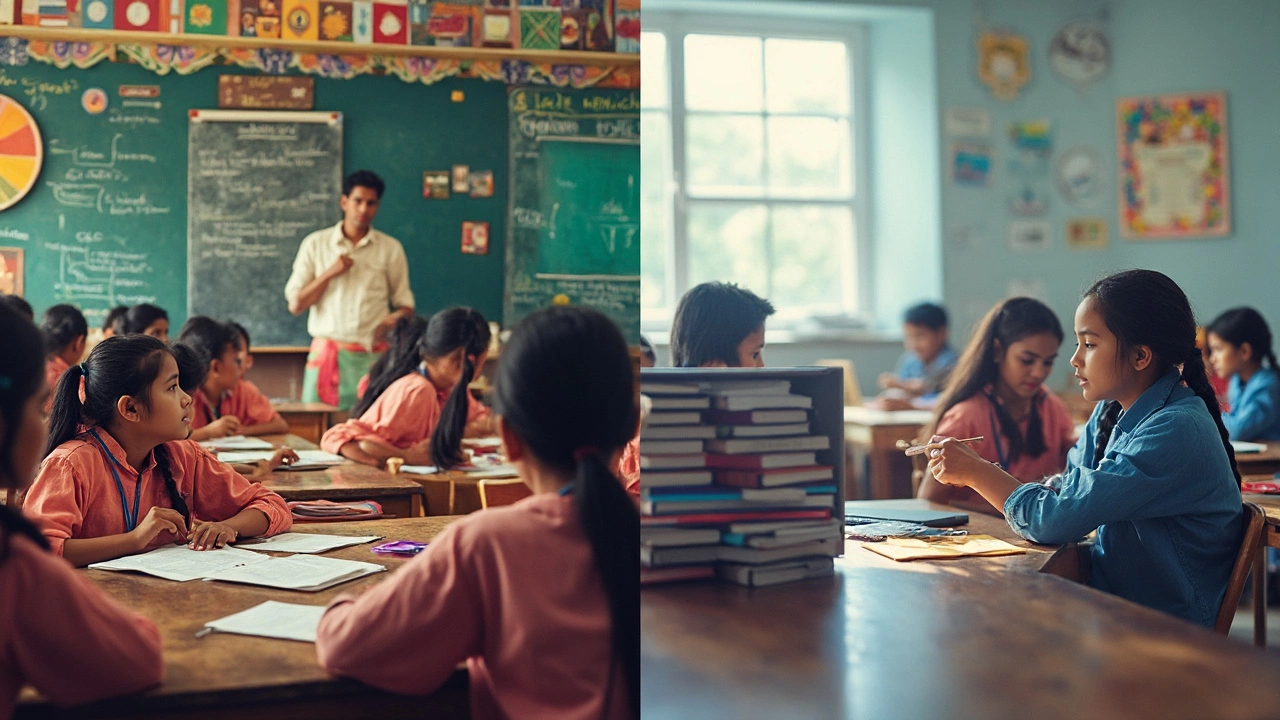
The debate over whether the CBSE syllabus is more challenging than the American school system is endless. This article dives into key differences in curriculum, teaching methods, exam structures, and student experiences. It offers guidance on how students and parents can navigate these educational landscapes. By looking at specific examples and real-world challenges, we provide a clear understanding of what makes each system unique. Whether you're a student, parent, or educator, this insightful comparison equips you with knowledge to make informed decisions.