eLearning Course Revenue Calculator
Calculate Your Earnings
Results
* Based on 2026 platform fee structures from article
* Kajabi includes $119/month fixed cost
Want to make money on eLearning platforms? It’s not just about uploading a video and hoping for sales. In 2026, the eLearning market is worth over $400 billion, and millions of people are buying courses - but only a small fraction of creators actually earn more than pocket change. The difference? Strategy. Structure. And knowing what learners actually pay for.
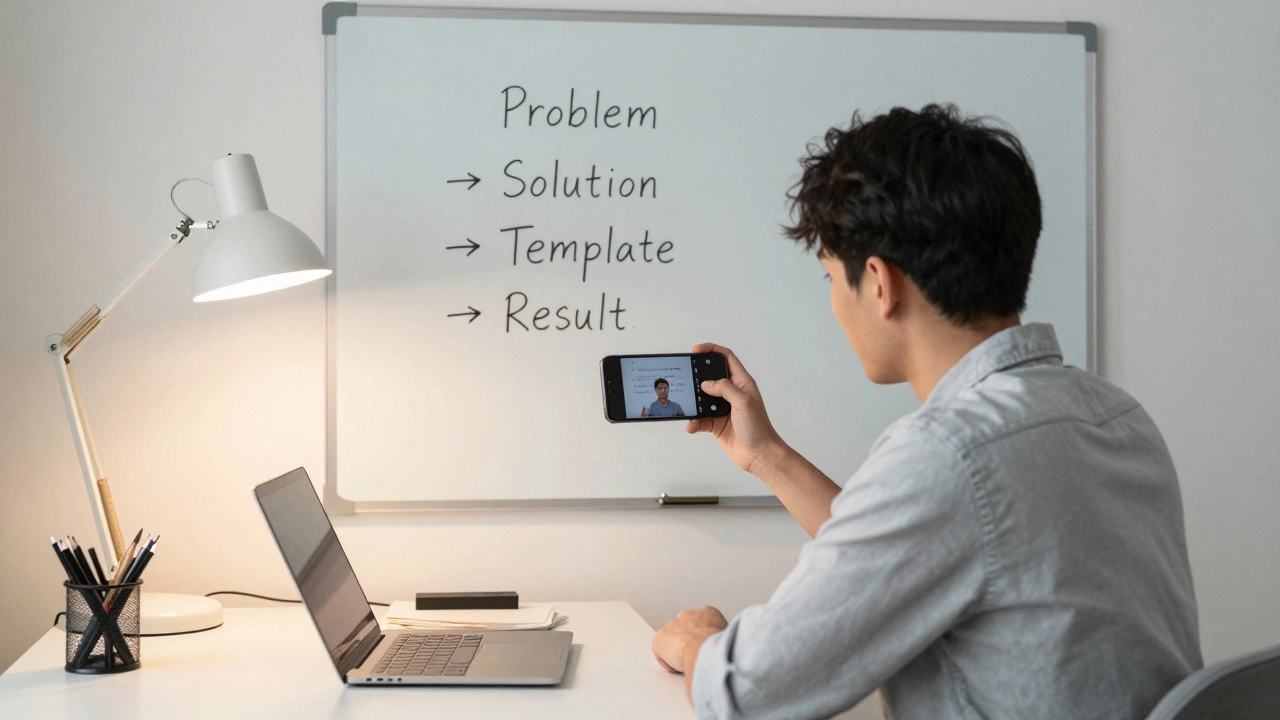
Start with a real problem people will pay to solve
Most people think, "I know Python, so I’ll make a course." That’s not enough. You need to ask: Who’s struggling with this right now? What are they Googling at 2 a.m.?
Look at the top-selling courses on Udemy and Teachable. They’re not about "Introduction to JavaScript." They’re about "How to Get Your First Freelance Client as a Junior Developer in 30 Days" or "Fix Your Excel Formulas So Your Boss Stops Yelling."
People don’t buy knowledge. They buy outcomes. A promotion. A raise. A way out of a stressful job. A skill that gets them hired. Your course title should sound like a promise - not a lecture.
Build a course that actually works
Don’t record a 2-hour video and call it a day. Learners quit courses at a 95% rate if they feel overwhelmed. The top-performing courses break learning into tiny, actionable steps.
Here’s what works in 2026:
- 5-10 minute lessons max
- One skill per lesson
- Downloadable templates, checklists, or scripts
- Quizzes that feel like games, not tests
- A final project that creates a portfolio piece
For example, if you’re teaching social media marketing, don’t explain algorithms. Give them a ready-to-use content calendar template, a script for cold DMs, and a 7-day challenge to post daily. When they finish, they have real results - not just notes.
Choose the right platform for your audience
Not all eLearning platforms are equal. Your choice changes how much money you make - and how hard you work to get it.
Udemy: Easy to join. Massive traffic. But you get 3-5% of sales unless you run promotions. Best for beginners testing the waters.
Teachable: You keep 95% of sales. You handle marketing. Great if you already have an email list or social following.
Kajabi: More expensive ($119/month), but you get a full website, email tools, and membership features. Best for creators building a long-term brand.
YouTube + Gumroad: Free content on YouTube to attract people. Then sell your course through Gumroad (5% fee). Works great for visual learners - like design, coding, or fitness.
If you’re starting out, try Udemy for exposure. Once you get 500 students, move to Teachable to keep more money.

Price it right - or you’ll lose money
Most creators underprice. Others overprice and get zero sales.
Here’s the real pricing rule for 2026:
- $15-$25: For short, single-topic courses (e.g., "How to Write a Resume That Gets Replies")
- $49-$99: For full programs with templates, feedback, and projects (most common sweet spot)
- $199+: Only if you offer live coaching, group calls, or certification
Don’t launch at $199 if you have no reviews. Start at $69. Run a 48-hour launch with a 50% discount. Get 20 sales. Then raise the price. People trust courses more when they see others buying them.
Use your existing audience - or build one
You can’t just upload a course and wait. You need traffic. And traffic doesn’t come from the platform. It comes from you.
Here’s how top earners do it:
- Post 3 short videos a week on Instagram Reels or TikTok showing quick wins from your course
- Write a free guide (e.g., "5 Mistakes That Keep You From Getting Hired") and collect emails
- Join Facebook groups where your ideal students hang out - answer questions, don’t sell
- Partner with small influencers in your niche for a 20% affiliate deal
One creator in Toronto made $12,000 in 3 months teaching Excel for small business owners. She didn’t run ads. She posted 15 Reels showing how to fix common Excel errors. Each video linked to her free guide. She collected 3,000 emails. Then she emailed them her course at $69. 480 bought it.
Scale beyond one course
One course is a side hustle. Three courses is a business.
Once you have one course that sells, use it to build more:
- Turn your course into a bundle (e.g., "Resume + Cover Letter + LinkedIn Profile Pack")
- Create a higher-tier version with live Q&A sessions
- Make a companion course for advanced learners
- Offer a membership where people pay $20/month for new mini-courses
One instructor who taught basic photography started with a $49 course. Then she added "Lightroom Editing in 10 Minutes," "How to Sell Your Photos Online," and a monthly "Photo Challenge" for $25/month. She now makes $8,000/month - all from one niche.
Watch out for these traps
Many creators fail because they fall into these traps:
- Spending months perfecting the course instead of launching with 80% done
- Using stock footage and robotic voiceovers - learners can tell
- Ignoring feedback. If 3 people say your intro is confusing, fix it
- Thinking sales will happen automatically. They won’t.
- Copying someone else’s course. Your story, your experience, your examples - that’s what sells.
Launch fast. Learn fast. Improve fast.
Real results from real people
Here’s what actual eLearning creators made in 2025:
- Marie, a former teacher in Calgary: Made $3,200 in 6 months teaching "How to Teach Kids to Read" on Teachable. Now she has 3 courses and a $1,100/month membership.
- Raj, a freelance designer in Toronto: Sold 1,200 copies of his "Figma for Non-Designers" course at $49. Total: $58,800. He now hires two assistants to manage updates.
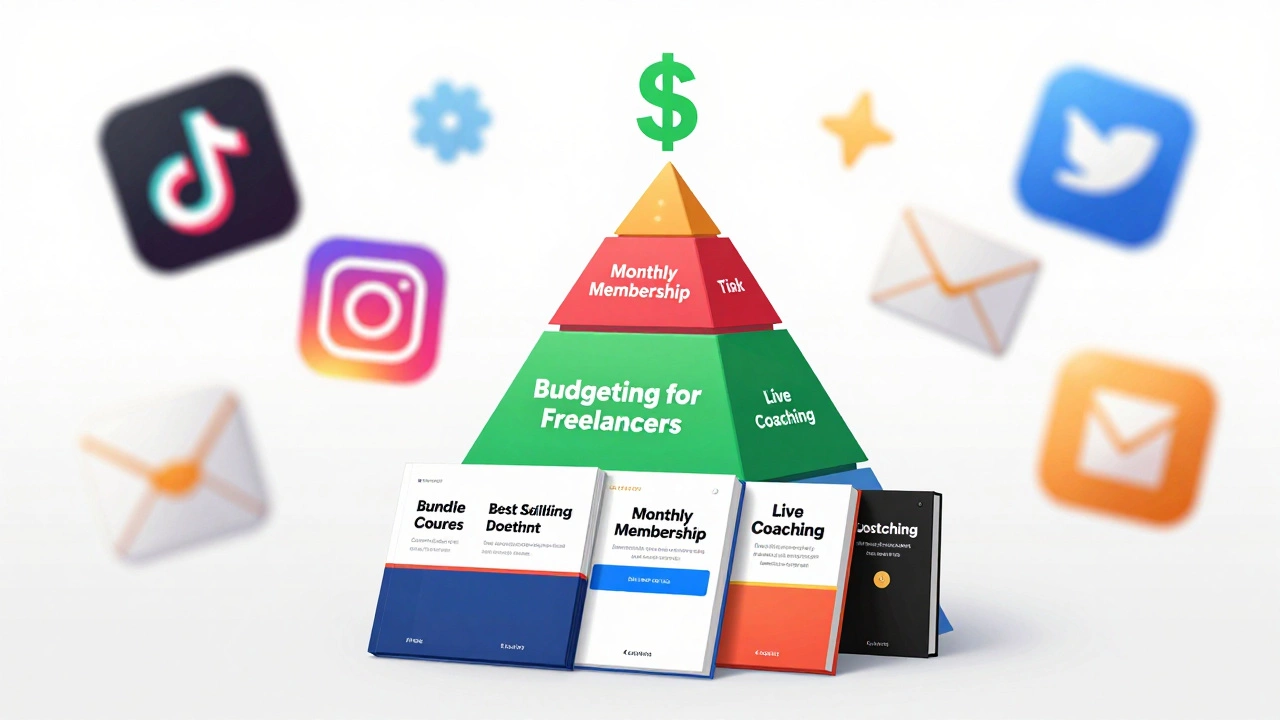
- Maya, a single mom in Vancouver: Started with a $25 course on "Budgeting for Freelancers." Now she runs a $7,000/month online school with 4 courses and group coaching.
None of them had big audiences. None of them were influencers. They just solved one real problem - clearly, consistently, and with proof.
What to do next
Stop thinking about making money. Start thinking about helping someone.
Step 1: Write down one skill you have that someone else is struggling with right now.
Step 2: Search YouTube for that problem. See what questions people are asking in the comments.
Step 3: Record a 10-minute video teaching one tiny part of it - no fancy gear needed.
Step 4: Upload it to Udemy or Teachable. Price it at $49.
Step 5: Share it with 5 people you know. Ask them to give honest feedback.
That’s it. You’re not building a company. You’re helping one person solve a problem. If you do that well, the money follows.
Can I make money on eLearning without any teaching experience?
Yes. You don’t need to be a professor. You just need to know something someone else doesn’t - and be able to explain it clearly. Many top sellers are former employees, freelancers, or hobbyists who solved a problem in their own life and turned it into a course. What matters is clarity, not credentials.
How long does it take to make your first sale on eLearning platforms?
With the right topic and a small push, you can make your first sale in under 7 days. Most people take weeks because they wait to "perfect" their course. Launch with what you have. Get feedback. Then improve. One creator sold her first course in 48 hours after posting a TikTok showing a quick tip from it.
Do I need to be on YouTube or social media to sell courses?
Not required - but highly recommended. Platforms like Udemy give you traffic, but you earn very little. If you want to keep 90%+ of sales, you need your own audience. Even 1,000 engaged email subscribers can generate $10,000+ in course sales a year. Start small: post one tip a week. Build trust. Then offer your course.
What’s the easiest course to create for beginners?
The easiest courses are "how to fix a specific problem" topics. Examples: "How to Cancel a Subscription You Forgot About," "How to Print a PDF Without Weird Margins," or "How to Use Google Sheets to Track Your Grocery Budget." These solve tiny frustrations people are actively searching for. They’re quick to make and sell well because they’re hyper-specific.
How much time does it take to create a course that sells?
You can create a basic, sellable course in 10-15 hours. That’s 2-3 hours of planning, 5 hours of recording, 3 hours of editing, and 2 hours of setting up the sales page. Most people overestimate the time. The key isn’t perfection - it’s action. Record your first lesson today. Don’t wait for tomorrow.