
JEE Sleep & Performance Calculator
Input Your Routine
Analysis Result
Cognitive Readiness
Total Rest: 7.5 hrs
Memory Consolidation Efficiency
Error Probability: Low
Recommended Study Blocks:
Enter your details to see how your sleep affects your JEE rank potential.
You’ve probably heard the horror stories. The topper who studied for 18 hours straight. The legend who barely slept during the last month before JEE Advanced is the second stage of the Joint Entrance Examination for admission to Indian Institutes of Technology. It sounds impressive, doesn’t it? But here’s the uncomfortable truth: pulling all-nighters might feel like dedication, but it’s often just self-sabotage in disguise.
If you are asking how many hours a JEE aspirant should sleep, you aren’t looking for an excuse to be lazy. You are looking for the edge. In a race where the margin between a rank of 500 and 5,000 can be a single question, your brain’s ability to process information is your most valuable asset. And that asset runs on fuel. Specifically, it runs on sleep.
The Biological Reality of Learning
Let’s get one thing straight: studying isn’t just about putting information into your head. It’s about keeping it there. When you solve complex problems in Physics or memorize reaction mechanisms in Chemistry, your brain creates temporary neural connections. These are fragile. They are like writing notes in sand at the beach. If the tide comes in, they wash away.
Sleep is the tide that turns that sand into stone. During deep sleep stages, specifically slow-wave sleep, your brain consolidates memories. It moves information from short-term storage (the hippocampus) to long-term storage (the neocortex). Without this process, those four hours of intense Organic Chemistry revision vanish by morning. You wake up feeling tired, but worse, you wake up empty-handed.
Research in cognitive psychology consistently shows that students who sleep 7-9 hours perform significantly better on recall tests than those who sacrifice sleep for extra study time. This isn’t just theory; it’s biology. Your prefrontal cortex-the part of your brain responsible for logic, decision-making, and focus-shuts down when deprived of rest. That’s why you make silly calculation errors after a night of poor sleep. It’s not carelessness; it’s biological fatigue.
The Ideal Sleep Window for JEE Candidates
So, what is the magic number? For most high-school-aged JEE aspirants, the sweet spot is 7 to 8 hours of quality sleep. Anything less than 6 hours is dangerous territory. It leads to cognitive decline equivalent to being legally drunk in some driving studies. Imagine taking the most important exam of your life while impaired. Scary, right?
However, "quality" matters more than quantity. Lying in bed scrolling through Instagram for an hour doesn’t count as sleep hygiene. It counts as blue-light exposure, which suppresses melatonin production. Melatonin is the hormone that signals your body it’s time to rest. If you block it with screens, you delay sleep onset, reducing total rest time even if you stay in bed longer.
| Sleep Duration | Cognitive Impact | Risk Level |
|---|---|---|
| Less than 6 hours | Severe drop in focus, memory consolidation failure, emotional instability | High |
| 6 - 7 hours | Moderate focus, acceptable for short bursts, risky for long-term retention | Medium |
| 7 - 8 hours | Optimal memory consolidation, peak problem-solving ability, emotional balance | Low |
| More than 9 hours | Potential grogginess (sleep inertia), reduced study time availability | Low/Medium |
Structuring Your Day Around Sleep, Not Against It
Many aspirants fall into the trap of thinking they need to study from 6 AM to midnight. This linear approach ignores circadian rhythms. Your energy levels fluctuate throughout the day. Some people are "morning larks," peaking early. Others are "night owls," gaining focus after sunset. Neither is wrong, but both require respect.
If you force a night owl to wake up at 5 AM, they will spend the first three hours in a fog, studying inefficiently. Conversely, forcing a morning person to pull an all-nighter wastes their peak mental clarity window. The key is consistency. Go to bed at the same time every night, including weekends. This regulates your internal clock, making it easier to fall asleep and wake up naturally.
A practical strategy is the "90-minute rule." Sleep cycles typically last about 90 minutes. Waking up in the middle of a deep sleep cycle causes sleep inertia-that heavy, groggy feeling. Aim for multiples of 90 minutes. For example, if you need 7.5 hours of sleep and go to bed at 10:30 PM, set your alarm for 6:00 AM. This aligns with natural cycle completions, helping you wake up refreshed rather than drained.

The Power of Naps: A Strategic Tool
What if you’re exhausted in the afternoon? Don’t push through. Take a nap. But be strategic. A "power nap" of 20 to 30 minutes can reset your alertness without entering deep sleep, avoiding grogginess. This is backed by NASA studies showing that naps improved pilot performance by 34% and alertness by 54%.
For JEE aspirants, a post-lunch dip is common. Digestion draws blood flow to the stomach, lowering brain energy. A short nap here can bridge the gap until evening study sessions. Just avoid napping after 4 PM, as it can interfere with nighttime sleep onset. Think of naps as a battery boost, not a replacement for nightly recharge.
Signs You Are Sleeping Too Little (or Too Much)
Your body sends signals when sleep needs aren’t met. Ignoring them is like ignoring the check engine light in a car. Here are red flags to watch for:
- Microsleeps: Zoning out for seconds while reading a textbook. You read the same paragraph three times without understanding it.
- Emotional Volatility: Getting irrationally angry over small mistakes or feeling sudden anxiety. Sleep deprivation amplifies amygdala activity, the brain’s fear center.
- Physical Symptoms: Frequent headaches, eye strain, or weakened immunity (getting sick often).
- Declining Accuracy: Making basic arithmetic errors in Math or misremembering formulas in Physics despite knowing them well.
On the flip side, sleeping too much can also be problematic. If you regularly sleep 9+ hours and still feel tired, you might have poor sleep quality or underlying health issues like anemia or thyroid problems. Chronic oversleeping can lead to depression-like symptoms and reduced motivation. Balance is key.
Creating a Sleep-Conducive Environment
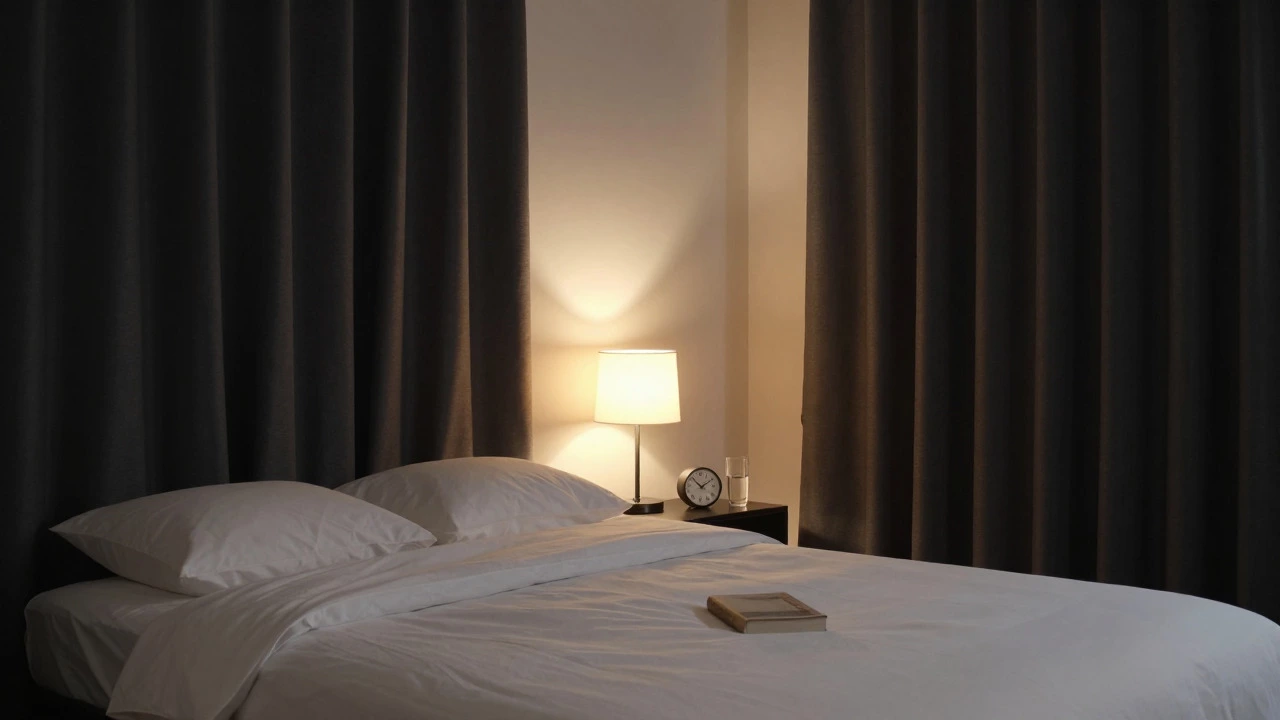
Your bedroom should be a sanctuary for rest, not a second study room. Keep study materials out of sight. The association between your bed and stress hinders relaxation. Make your room cool (around 18-20°C or 65-68°F), dark, and quiet. Use blackout curtains if streetlights are an issue. White noise machines or earplugs can help if you live in a noisy household.
Pre-sleep routines matter. Avoid heavy meals, caffeine, and intense exercise within two hours of bedtime. Instead, try light stretching, reading a non-academic book, or meditation. These activities signal to your nervous system that it’s safe to wind down. Digital detox is crucial here. Put phones away at least 30 minutes before bed. The blue light tricks your brain into thinking it’s daytime, delaying melatonin release.
Handling Exam Week Pressure
As exams approach, anxiety spikes. Many students try to cram more by cutting sleep. This is the worst possible move. During exam week, prioritize sleep stability over last-minute learning. Your brain has already stored the knowledge; it just needs access. Sleep provides that access.
Stick to your usual sleep schedule. Don’t change your routine drastically. If you usually wake up at 6 AM, don’t suddenly shift to 4 AM because you’re panicked. Consistency reduces stress. Trust the preparation you’ve done. A rested mind solves problems faster and calmer than a tired, frantic one.
Balancing Health and Ambition
JEE preparation is a marathon, not a sprint. Burning out in Class 11 means you’ll struggle in Class 12. Sustainable habits win races. Sleep is not lost time; it’s investment time. Every hour of sleep enhances the effectiveness of the hours you do study. It’s leverage.
Consider your long-term health. Chronic sleep debt increases risks of cardiovascular issues, obesity, and mental health disorders. You want to enter IIT healthy and sharp, not broken and burnt out. Prioritize holistic well-being. Exercise, nutrition, and sleep form the tripod of success. Remove one leg, and the structure collapses.
Is 6 hours of sleep enough for JEE preparation?
For most teenagers, 6 hours is insufficient for optimal cognitive function and memory consolidation. While some individuals may adapt temporarily, long-term reliance on 6 hours leads to diminished focus, increased error rates, and higher stress levels. Aim for 7-8 hours for sustainable performance.
Should I study late at night or early in the morning?
It depends on your chronotype. If you are a morning person, tackle difficult subjects like Physics or Math early. Night owls may find better focus later. However, ensure you maintain a consistent sleep-wake cycle regardless of preference. Avoid shifting schedules drastically.
How does lack of sleep affect memory retention?
Sleep is critical for transferring information from short-term to long-term memory. Without adequate deep sleep, neural connections formed during study remain weak and fade quickly. This results in forgetting concepts shortly after learning them, forcing repetitive re-studying.
Can power naps replace nighttime sleep?
No. Power naps (20-30 minutes) can boost alertness and temporarily improve focus, but they do not provide the full range of sleep stages needed for physical restoration and comprehensive memory consolidation. They are a supplement, not a substitute, for 7-8 hours of nightly sleep.
What should I do if I can't sleep due to exam anxiety?
Avoid staying in bed awake for long periods. Get up, do a calming activity like reading fiction or gentle stretching, then return when sleepy. Practice mindfulness or breathing exercises before bed. Limit screen time and caffeine intake. If insomnia persists, consult a counselor or doctor to manage anxiety effectively.