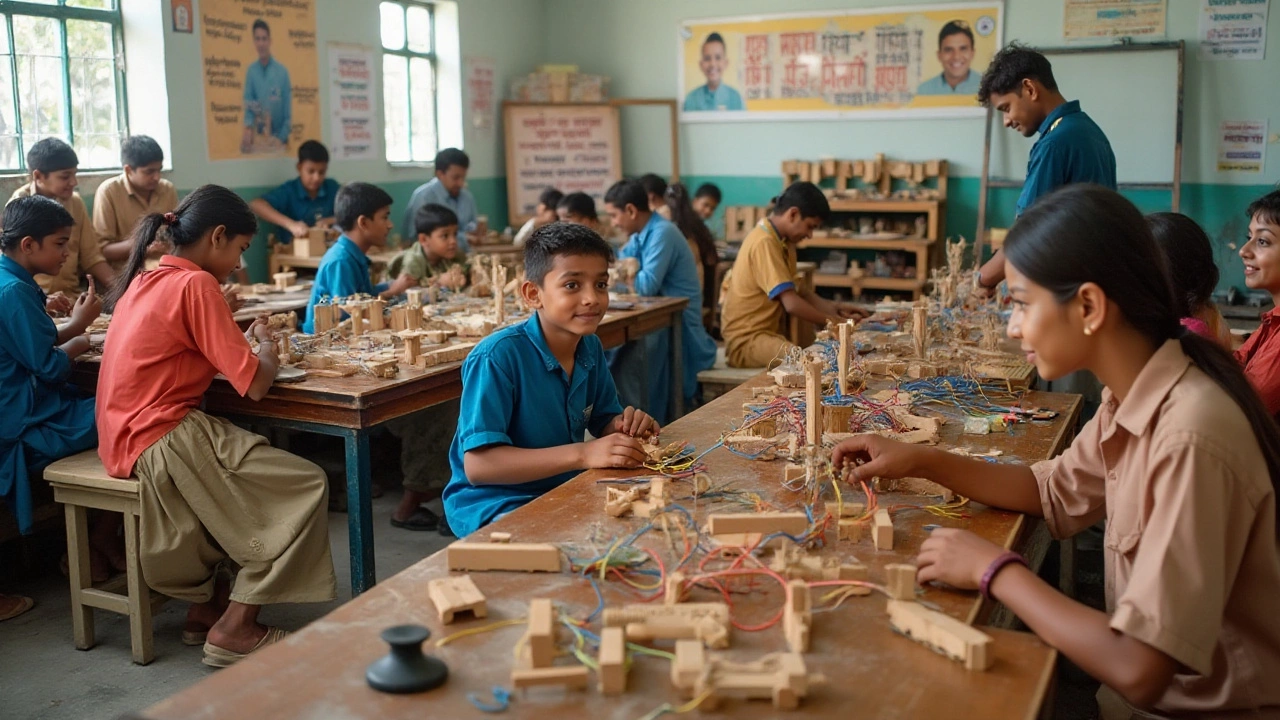
Vocational Courses: Hands-On Careers That Pay Without a Degree
When you think of vocational courses, practical training programs that prepare you for specific jobs without needing a four-year degree. Also known as career and technical education, it's the fast track to earning a steady income by doing real work—fixing cars, wiring homes, running medical labs, or operating industrial machines. These aren’t side gigs. They’re full careers with certifications, benefits, and growth paths that many colleges don’t even offer.
What sets vocational training apart is focus. While academic education teaches you theory across many subjects, vocational training teaches you how to do one thing really well. You learn by doing: welding, coding, installing solar panels, or managing pharmacy inventory. This isn’t guesswork—it’s skill-based learning backed by industry standards. In India, skilled trades like electricians, plumbers, and CNC operators are in high demand, with salaries often matching or beating fresh engineering graduates. And here’s the kicker: you start earning sooner. Most vocational courses take six months to two years. No student loans. No graduation parties with debt.
You’ll hear these programs called different things—trade schools, technical colleges, career centers—but they all do the same thing: turn learners into workers. A vocational qualification, a recognized certification proving you can perform a specific job to industry standards is your ticket. It’s not a piece of paper—it’s proof you’ve been trained, tested, and ready to work. Employers trust these certs because they’re tied to real tasks, not exams you forget after graduation. And as automation changes the job market, hands-on skills that machines can’t easily replace are becoming more valuable than ever.
Some people still think vocational paths are for those who "couldn’t make it" in college. That’s outdated. Today’s best technicians, robotics operators, and lab analysts didn’t skip school—they chose a smarter route. They avoided debt, got hired faster, and built careers with clear steps up. Whether you’re fresh out of high school, looking to switch fields, or need a quicker way to support your family, vocational courses offer real answers. Below, you’ll find clear guides on which courses actually pay off in 2025, how to pick the right one, what employers look for, and why the language around these jobs is changing fast. No fluff. Just what works.
Is Vocation the Same as Trade? Understanding the Difference in Career Paths
Aug, 4 2026
Explore the key differences between vocation and trade. Learn how vocational training differs from skilled trades in terms of education, licensing, and career outcomes to make the best choice for your future.
Which Vocational Course Has the Highest Salary? Top Earning Trades in 2026
May, 27 2026
Discover which vocational courses lead to the highest salaries in 2026. From aviation to skilled trades, explore top-earning paths that require no four-year degree.
What Makes a Job Vocational? Understanding Hands-On Careers
Nov, 8 2025
A vocational job is defined by hands-on training and certification, not a college degree. Learn what makes these careers different, why they’re in high demand, and how to start one without debt.
Best Vocational Courses: Top Career Paths & Smart Choices for 2025
Aug, 2 2025
Explore 2025's best vocational courses, career options, skill demand, and tips for picking the right path. Find easy-to-understand info, real-world examples, stats, and honest advice.
Modern Vocational Education: What It's Called and How It's Changing Careers
Jul, 17 2025
Discover what vocational education is called today, why the language changed, and how new terms reflect modern job training and hands-on learning trends.
Vocational Qualification: What It Is and Why It Matters
Apr, 23 2025
A vocational qualification is a practical certification that shows you have the skills for a specific job. This article explores what makes a vocational qualification different from traditional academic routes, how it works, and who can benefit from it. With tips and facts, readers will learn if a vocational course fits their career plans. The focus is on real-world advantages, cost, and job prospects. The guide covers every step, from enrolling to using the qualification in today's job market.
Exploring Alternative Names for Vocational Schools: A Deep Dive
Jan, 7 2025
Vocational schools, also known as trade schools, career centers, and technical colleges, provide specialized education and training for specific careers. In this article, we explore the various alternative names used for vocational schools and delve into the roles they play in skill development. Learn about the historical context, contemporary relevance, and how these institutions are shaping the future of education and employment. Discover if vocational education is the right path for your career aspirations.
The Difference Between Vocational Training and Academic Education
Dec, 31 2024
Understanding the difference between vocational training and academic education is crucial for students making career decisions. Vocational training focuses on providing practical skills relevant to specific trades or professions, preparing students for direct entry into the workforce. In contrast, academic education offers a broader curriculum aimed at cultivating general knowledge across multiple disciplines, often leading to further study or research. This article explores the nature, benefits, and outcomes of each approach, providing insights for making informed educational choices.